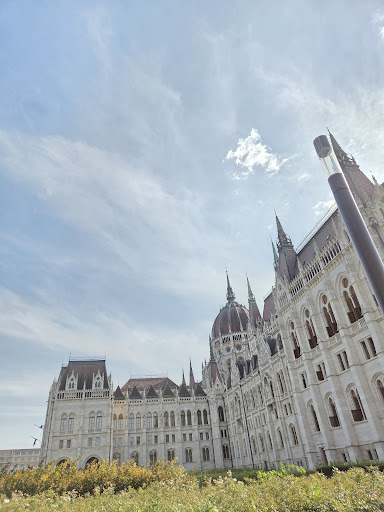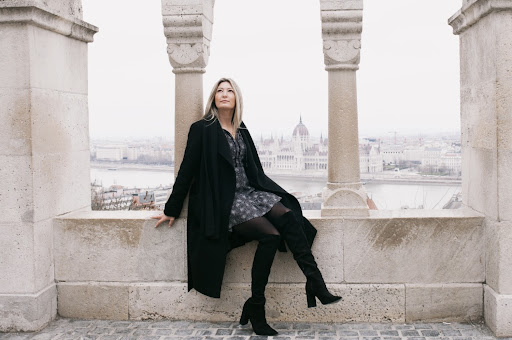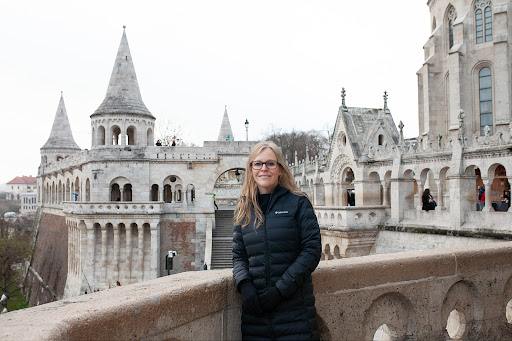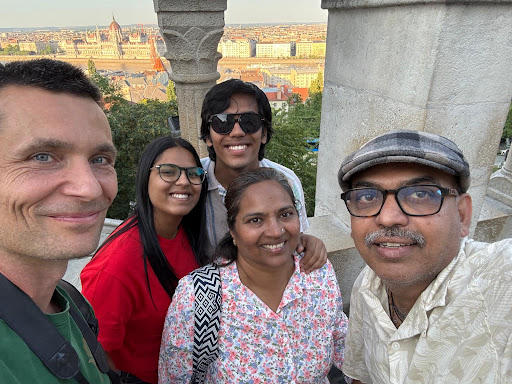
Rebirth of the Citadella: Budapest’s most spectecular viewpoint
 Skip to content
Budapest, 5th of April 2026 — For over 170 years, the Citadella on Gellért Hill stood as a silent witness to the turbulent history of Hungary. Built by the Habsburgs between 1851 and 1854 to suppress the spirit of the 1848–49 Revolution and War of Independence, it was once a symbol of occupation and control.
Today, after an extensive 11-year transformation, it has emerged rejuvenated—not as a fortress of oppression, but as a beacon of freedom, a sanctuary of culture, and a panoramic jewel open to all.
Soon, the gates swung wide for the first time in over a decade, marking the culmination of a visionary rebirth. What was once a restricted military zone is now a vibrant, accessible urban destination where history breathes alongside modern life.
The Citadella, perched on Gellért Hill, has once more welcomed the public, restored as one of Budapest’s most iconic sites. What has risen from this renovation is far more than a simple restoration—it is a space transformed. Accessible, inviting, and enriched with fresh experiences, the Citadella now offers guests opportunities for peaceful contemplation alongside breathtaking vistas of the city below.
Following the redevelopment, green areas throughout the grounds have grown to one and a half times their original extent, while inside the fortress perimeter, a fresh public park spanning over 6,000 square metres has been created. Cafés, visitor facilities, and shared gathering areas now bring life to the Citadella. By opening the historic fortifications, the fortress has become more accessible both physically and metaphorically. On the east, an eye-catching staircase ascends, granting direct access to the courtyard and park from the Liberty Statue.
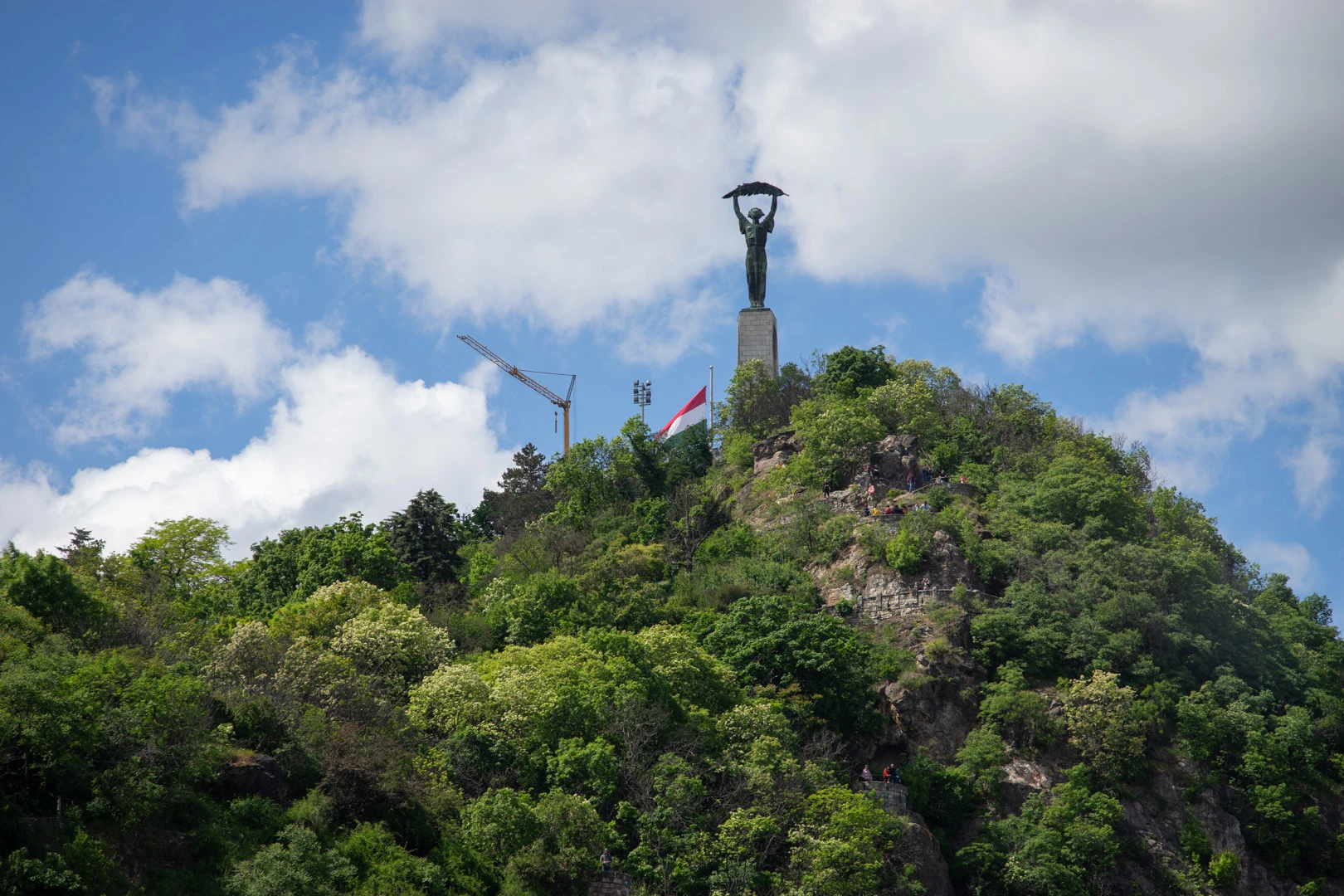
Fresh observation decks now showcase the city from various angles, displaying Budapest in almost complete panorama. Inside the Western Gun Tower, a permanent display called The Bastion of Liberty covers more than 1,700 square metres, showcasing Hungary’s historical journey and its fights for freedom. The Liberty Statue group has also received thorough preservation work following years of deterioration. A cross mounted on the main figure’s base adds another dimension of symbolism, alluding to 1,100 years of Hungarian nationhood, its Western Christian roots, and its position in European civilization. As part of the revitalisation, the adjacent terraces have been reconfigured to complement the Citadella’s renewed environment, bringing together monument and surroundings.
It is always of great value to add the Citadella to your Budapest tour itinerary especially when you are about join one of my Budapest walking tours or any of my Photography adventures in the Hungarian capital.
Ancient Foundations
Gellért Hill’s strategic dominance over the Danube River drew human settlement as far back as the 4th century BC. The Celtic Eravisci people established a fortified hilltop settlement here—an oppidum shielded by earthen defences. When Rome expanded control over the territory in the 1st century AD, authorities moved the population from this strategic elevation to minimise rebellion threats, creating the administrative district called civitas Eraviscorum.
Medieval tradition provides the hill’s most lasting narrative. In 1046, amid the pagan revolt linked to Vata, Bishop Gerard—a missionary pivotal to Hungary’s emerging Christian kingdom—was cast down the rocky face overlooking the Danube. From the 15th century forward, the hill gradually adopted his name: St Gerard’s Hill, now called Gellért Hill. During Ottoman rule, the summit chapel gave way to a wooden palisade fortress. The Turks, who controlled Buda for roughly 150 years, named the hill after a respected Muslim saint interred there: Gürz Elias.
The Observatory Era
Under Palatine Joseph’s direction, building commenced in 1813 on a university observatory atop the remains of the previous Ottoman fortification. Upon its 1815 opening—attended by Emperor Francis I, King Frederick William III of Prussia, and Tsar Alexander I—the “Csillagda” observatory stood among Europe’s most sophisticated scientific establishments. This premier “Star Tower” (Csillagda) was nearly obliterated during the May 1849 siege of Buda. From Gellért Hill, Hungarian troops bombarded Buda Castle—and Austrian guns, predictably, fired back. The observatory ruins remained standing for nearly twenty years, even as the Citadella Fortress rose around them. Following the War of Independence defeat, Habsburg military leadership decided to create a defensive perimeter around Pest-Buda to replace the obsolete Buda Castle. The Gellért Hill stronghold was the first of these planned fortifications, though additional forts were proposed but never built. Strategic focus shifted, and the northern town of Komárom ultimately became the Empire’s primary defensive position.
The Citadel Takes Shape
“Citadel” comes from Italian, describing a fortress positioned at a city’s highest elevation—a final defensive stronghold. Building commenced in 1850 under General Haynau’s orders, directed by Austrian military engineer Emanuel Zitta and based on Ignaz Weisz’s designs. Even Adam Clark, renowned Chain Bridge constructor, submitted a proposal. Ultimately, architect-engineer Mátyás Zitterbarth secured the contract with the most cost-effective bid, which required moving approximately 2,500 cubic metres of stone and earth down the slope using railway carts. Premium limestone from Sóskút provided wall materials, transported by Antal Hofhauser’s firm. By 1854, imperial forces had occupied the finished fortress.
Fortress Specifications
Impressive by any measure, the Citadella measured 220 metres long and 60 metres wide; its walls averaged 4 metres thick and reached 12–16 metres in height. The walls were embedded directly into bedrock in numerous locations, making them virtually immune to artillery fire. The defensive arrangement accommodated sixty modern cannons and sheltered a garrison of several hundred soldiers. The western terminus featured a D-shaped, multi-level round bastion, while the eastern section—behind the present Liberty Statue—was defended by a semi-circular bastion. This bastion formed part of the inner courtyard, while the cannon tower operated as a separate, enclosed facility.
The Round Bastion comprised two concentric semicircular rings. On the outer tier, casemates occupied both ground and upper levels, while interior sections housed the garrison and stored ammunition. Along the straight axis of the D-shaped structure sat officers’ and non-commissioned officers’ quarters, plus shared communal areas, all surrounding the central courtyard. Casemates could only be accessed through each other, via doorways cut into the thick partition walls. Construction used alternating brick and stone layers, with Sóskút limestone for the main structure and red Tardos limestone for the coping stones.
Vaulted casemates featured embrasures, while smaller pivot bases permitted horizontal cannon rotation. Wall ventilation openings helped disperse the substantial smoke generated by period artillery. Cannon replacement employed hooks and ropes attached to the vaulting overhead. The cannon tower’s uppermost level contained an artillery terrace, beneath which sat a rainwater cistern. This supplied drinking water for the permanent 250-man garrison and proved crucial during sieges, guaranteeing the Citadella’s independence from outside water sources. Rainwater flowed into the reservoir through stone-lined drainage channels in the courtyard.
Beyond the East Bastion, the courtyard was defended by projecting northern and southern outworks and wall-integrated bastions. These pentangular projections allowed defenders to deliver flanking fire against approaching foes. The main courtyard entrance opened from the north, immediately beside the cannon tower. On the Sas Hill-facing side, a gently sloping firing mound (glacis) was created, providing clear artillery fields of fire for the Western Round Bastion. This glacis was separated from the cannon tower by a dry ditch following the semicircular form’s curve.
Changing Fortunes
Following the 1867 Austro-Hungarian Compromise, the Citadella’s military significance diminished swiftly. By 1899, with imperial troops withdrawn, Budapest citizens—who had long resented the fortress as an oppression symbol—began enthusiastically dismantling portions of the structure. The distinctive V-shaped opening above today’s Great Gate preserves remembrance of this civic resistance. However, financial constraints prevented complete demolition. The Citadella remained an abandoned fortress without clear purpose, though ambition was not absent.
As early as the 1840s, Count István Széchenyi suggested converting Gellért Hill into a national pantheon. After the Compromise, Count Ödön Széchenyi revived the concept, prompting a nationwide design competition in 1871. The winning submission by Gyula Berczik envisioned a monumental domed Byzantine-style building, with second place going to Frigyes Feszl. Other ambitious proposals soon emerged: Gyula Kolbenheyer and Sándor Straub imagined a fairy-tale castle, an unknown author—likely Kálmán Thaly or Ödön Serly—conceived a pyramid, and Adolf Wilhelm proposed a Hungaria statue in the Acropolis manner. Even a Chief Árpád monument was considered. Yet one after another, these grand visions came to nothing, leaving the Citadella’s fate unresolved for decades. Meanwhile, Gellért Hill itself evolved. No longer a neglected suburb, it became an urban retreat for newly unified modern Budapest. Benched promenades appeared on northern and southern slopes, culminating in 1902 with the St Gerard Statue and its landscaped surroundings.
Twentieth Century Transformations
The Citadella complex lived many lives in the early 20th century. At times it housed police residences; at others it gained infamy as a slum and criminal refuge. Between the world wars, English-style park landscapes, Roman rock gardens, and scenic roads reshaped the hill, while the fortress itself received architectural lighting. With World War II’s outbreak, the fortress resumed its military function. A bunker and anti-aircraft positions were established in the courtyard, and vaulted casemates treated the wounded. In February 1945, Soviet forces captured the Citadella. During the siege, the structure sustained damage in several locations, and to this day, gunshot scars remain etched into its walls.
The forty-metre Liberty Statue (originally the Liberation Monument), created by Zsigmond Kisfaludi Strobl, crowned the hill in 1947. At its centre stands the fourteen-metre bronze Genius, symbolising peace and freedom. During the 1956 Revolution, the Soviet soldier statue was toppled, and subsequent political changes removed additional Soviet references. In post-war years, the fortress again served military purposes before combat-damaged sections were dismantled during organised volunteer campaigns of the Kádár era. By the 1960s, the Citadella received official historic monument protection. Tourist facilities, restaurants, and viewing terraces followed, with new access roads, a promenade, and a Budapest bus route connecting the site to the city. The hill grew so popular that in 1987, the Citadella joined Budapest’s UNESCO World Heritage listing.
Modern Challenges and Renewal
After the political transition, however, the site embodied contradictions of Hungary’s new reality. Ideological functions faded, maintenance declined, while increasing visitor numbers contrasted sharply with the fortress’s deteriorating condition. The capital envisioned a renewed tourist destination, while local residents imagined a public park and shared community space. Meanwhile, privatisation brought successive temporary hospitality and entertainment venues within the fortress walls, as the historic fabric steadily deteriorated. Impressive from afar, by the millennium’s turn the Citadella’s condition increasingly fell into disrepair. Closed off and devoid of meaningful purpose, the neglected complex stood in surroundings entirely unbefitting its UNESCO World Heritage status. Now, however, it prepares to reopen as an experience centre worthy of one of Budapest’s most iconic landmarks—welcoming visitors back for unhurried moments and views that never cease to astonish.
Excellent rating
Based on 157 reviews
 My children and I had a great tour with Gabor. He was very informative and knowledgeable, and also accommodating to my children who had to take many stops due to the heat!
 13 August 2026Gabor took many wonderful family photos for us around the city. We learned more about the culture and history of Budapest during the walking tour. A nice experience. Highly recommended. Good to go early in the morning. It is less crowded in the Fisherman's Castle.+0
 10 August 2026Great tour! Perfect combination of food plus history/cultural information. Definitely recommend!
 15 May 2026Informative and knowledgeable about Hungarian history and culture. Specify your interests and he will adjust the tour accordingly.
 14 May 2026Gabor was a great guide. Very knowledgeable and provided his historical perspective. He was also accommodating - at our request, Gabor incorporate transit into our walking tour to alleviate some of the walking for my older parents. It worked out really well. Thank you!
 6 May 2026I had an amazing photoshoot with Gabor in Budapest! He was incredibly kind, knowledgeable, and accommodating from start to finish. He worked with me on a scheduling change without any stress, picked me up directly from my hotel, and even did an extra shoot there which I really appreciated. Not only are the photos stunning, but he also shared so much history and insight about the city along the way. He helped with poses, and even taught me how to use the tram, which made the rest of my trip so much easier. I'm so happy I did this, it was one of the highlights of my trip!+8
 31 March 2026We had a lovely day with Gabor. He took us around Budapest and we saw some lovely places. Very friendly and knowledgeable.
 15 February 2026My husband and I were fortunate to have Gabor as our guide. He was very professional, patient and made the experience fun. He took us to so many photogenic spots. Got our photos back very quickly. Will do it again if we ever get back to Budapest. Glad we signed up with Gabor.
 30 January 2026Die Fotoshooting-Tour mit Gabor in Budapest war super! Er kennt tolle Spots, schafft eine entspannte Atmosphäre und gibt hilfreiche Tipps vor der Kamera. Die Fotos sind hochwertig und authentisch – absolut empfehlenswert!
 4 January 2026Gabor was a highlight of our cruise stop in Budapest. We were there on the 24th of December and unfortunately many places were closed because of the Christmas holiday. However, Gabor was able to find a few places that we were able to visit to taste local delicacies. It was great having a local perspective and Gabor was a wealth of knowledge. We appreciated Gabor’s hospitality and would highly recommend his tours to anyone visiting Budapest!
 27 December 2025I enjoyed my photography tour with Gabor and especially appreciated his flexibility to meet me at an earlier time. He showed me different photography techniques, hidden areas to capture and allowed me to photograph what I wanted. He was also very knowledgeable with several camera models and shooting settings. I had a lot of fun and I highly recommend it! Thank you Gabor!
 26 December 2025Gabor is a very friendly and great storyteller with a wealth of historical, cultural and political knowledge! He made our bike tour an amazing experience! Thanks so much Gabor!
 26 December 2025Gabor is so nice and accommodating! Gave us a nice tour of Budapest and took some pictures to remind us of our time there.+1
 24 December 2025We had a wonderful time with Gabor in Budapest! He was very patient with us and knew all the photo spots on both sides of town. We loved hearing about the different buildings and the history of Hungary on our tour.
 22 December 2025Just finished a really nice tour with Gabor via Withlocals. Gabor showed a few nice places to eat which we wpuld never have found by ourselves. Big thumbs up for Gabor!
 10 December 2025I cant recommend Gabor enough. Have an amazing afternoon strolling around Budapest Landmarks and got Gabot to catch my moment there. He’s so talented and have learnt so much from him about Budapest/Hungary history. Got to catch tram and buses for the first time in Busapest. Thank you for such an amazing time.
 4 December 2025Great experience - we learned a great deal about Hungary’s history and culture!
 26 October 2025So knowledgeable. So personable. Would highly recommend. Learned about the history of not just Budapest but Hungary as a whole.
 1 October 2025We had an amazing experience with Gabor. He was friendly, calm and professional. He took us to many places to get lots of different landmarks and poses. He also gave us a very big selection of pictures. If he is still available, book him.
 27 August 2025Gabor is a wonderful, popular guide. My wife and I thoroughly enjoyed our 2 days with him and highly recommend using him as a guide in Budapest. He has excellent english and very wide knowledge of Hungarian history and art and architecture.
 14 August 2025Excellent tour guide … It rained that 2 pm when we were about to start but did not deter him at all .. nobody booked that day except my wife and I needless to say a very private tour for us.. he showed us all the beautiful a nd historic sites in Budapest.. we walked, rode the subway and the tram.. we have a very nice coffee and strudel break.. his recommendations for poppy seed strudel is the best.. Very educated not only History of Budapest, Europe but also beyond.. Thanks to him and we went home with a lot of memories of Budapest.. If there is a six star, I would definitely give to him .. I would use him again next year when we go back with the family … definitely recommend him to anyone who wants a full experience.. he also does photography tour..
 9 July 2025My husband and I both enjoyed our private walking tour. Gabor was a wealth of historical insight into Budapest's history. He was also friendly and flexible.
 23 June 2025Thanks Gabor! You are amazing person with full of knowledge of Budapest. We had great walking tour covering both Buda and Pest sides in 4 hours time using very efficient local transport of Budapest. 🤗+0
 22 June 2025My photographer was very professional and patient because mom cannot walk too much. We had a great time and enjoyed the history he told. Very informative. I would recommend him.
 7 June 2025Gabor was wonderful! If I could I would give him 10 stars!! Highly recommend!!! 7am is early but if you want to get pictures without a ton of people around, it’s the only way to do it! Gabor was kind, professional and patient! Thank you Gabor!+0
 1 June 2025Gabor did a great job taking pictures of our family! He is Highly recommended!!
 1 June 2025Gabor gave an excellent overview of a few areas around Budapest. Learned lots of history and interesting facts about this dynamic city.
 25 May 2025Gavor was extremely knowledgeable and informative and a great host. Highly recommend doing the bike tour with him. Shane from Australia+0
 3 May 2025Gabor is a fantastic photographer... He is very professional and had great time finding nice spots with history behind the locations. Great memories I have of my time in Budapest... Totally worth it... Thank you again Gabor !!!
 2 May 2025Excellent experience! I do not like having my picture taken and was very nervous. Gabor made me feel comfortable. I would highly recommend him to anyone looking for a good photographer.
 18 January 2025Gabor is the best guide to Budapest- he will make your trip unforgettable with his knowledge, kindness and humour!+1
 12 January 2025I did a shoot with my cat and Gabor made it amazing. His pics are top quality, and the result is superb! He’s also a walking traveling book. If you want a special experience when you are in Budapest, book him …. You’ll love it!
 4 January 2025We couldn't be happier by hiring Gabor to capture the precious moment for our family in Budapest. Gabor is not only a great photographer but also a knowledgeable tour guide who taught us so much about the history of Budapest and Hungary. He is very flexible to work with and I really appreciate that even our reserved time is up, he didn't rush to finish the session and spent another hour just to hit the spots that he intended to take our pictures. Although we are not in a rush, he worked so hard to send us the edited pictures in less than 48 hours which was amazing. I felt that I didn't only find a good photographer and tour guide, but also made a good friend in Hungary. Highly recommended!!!
 29 December 2024We were visiting from Sydney for a five day visit to Budapest. Gabor is an amazing tour guide. We wanted a locally connected tour guide and he was certainly that! He was easy going, relaxed, a thorough historian who spoke excellent English. We walked and talked around for more than 3 very interesting & entertaining hours exploring Budapest visiting: * Heroes Square (Hősök tere), * the Museum & Library of Hungarian Agriculture (Magyar Mezőgazdasági Múzeum és Könyvtár) * Magyar Mezőgazdasági Múzeum és Könyvtár * St. Stephen’s Basilica * Buda Castle Precinct * Reteshav, Strudel House….first & best strudel in Budapest At the end of our tour, we were reluctant to leave him to go on our next walking food tour and invited him to come along with us 🥹 but he kindly refused. Even after our tour, he was helping us with recommendations via texts for dinner venues, which were excellent choices. Give Gabor a call, he will tailor a bespoke and personalised Budapest tour for you that won’t cost the earth. You won’t be disappointed!
 28 December 2024the walking tour with Gabor was the best! i learned so much about Buda and Pest and really enjoyed the sights. Gabor was great about tailoring the tour to my interests/questions. a MUST DO in budapest!
 26 December 2024Gabor is definitely worth booking for the sightseeing tour. He is very knowledgable about Budapest/Hungarian history. He is willing to adjust with what his guests want during the tour. We chose a photo-centric tour and he knows alot of good spots to take photos whether a postcard material shot or your portrait on the most interesting spots in Budapest. It’s also a plus that he has got a good sense of humor. Thank you Gabor, we enjoyed the tour alot. Henyr, Winnie
 21 December 2024Loved the walking tour. Very adaptive to our interests and what we wanted to do and see. Good history lesson and good conversations about almost everything. Loved the appel and poppy seed strudel!+1
 6 December 2024Great walking tour. Very informative and educational guide! Enjoyed the sights and the apple strudel.+2
 6 December 2024
Select cookies
Cookies are small text files that the web server stores on your computer when you visit the website.
These cookies cannot be disabled. They are required for the website to work.
To improve the website, including information and functionality, we want to collect analytics. We cannot identify you personally using this data.
By sharing your browsing behavior on our website we can serve you personalized content and offers.
These cookies enable advanced website features such as video playback, chat or embedded content.