 Skip to content
“Hello, My name is Gabor Szabo I am tour a tour guide and photographer from Budapest. I have fallen in love with cityscape of Budapest for ages and I try to take every opportunity to take photos whenever I am wandering in the city. With my local knowledge I can help you discover the best photo locations in ideal timing, so you can create postcard-like images.
I’ve also been doing night photography for years,so I believe I can help you with all the settings (It does not matter what camera you have).
You’ll see how easy it is to take cool nightscape picture
I will show you the very best photo spots in Budapest within 3.5 hours
help you how to set up your camera for night photography
give you my tripod, if you don’t have one”
 4.9verified by TrustindexTrustindex verifies that the company has a review score above 4.5, based on reviews collected on Tripadvisor over the past 12 months, qualifying it to receive the Top Rated Certificate.

Our Photograpic Walk is a balance between sightseeing and photography tips. The walking tours can assist beginner photographers to develop more skills and confidence in using manual settings and lenses to take great photographs.
Whether you are a beginner or an experienced photographer the tour we will show you some of Budapest’s night gems giving anyone unique photographic opportunities.
Night photography provide an opportunity to use a camera to capture the beauty of colours and reflections of Budapest’s lights. Tripod is a must to get the best results out of night photography.If needed I will lend you my professional tripod during the tour.We can also hand you some interesting manual(vintage) lenses mainly with M42 mount
These lenses can be adapted very easily to your DSLR or MILC camera body.
Duration: 3,5 hours
Starts: 8:00 pm
Meeting point: Deák tér ( in front of the Evangelical church) you can also be picked up from your hotel
Hello,
I am Gabor Szabo, a passionate cityscape photographer and tour guide helping you to have the best pictures in Budapest
I love seeing people taking great photos while we make friends as well and get known to the city’s history as well.
3 -3,5 hours
Features:
Walking around to the most photogenic spots
Shooting in the famous Golden and Blue Hour, and at night
Guidance on low light photography + my photography tips
I’ll give you my tripod, if you don’t have one.
You can try out some of my vintage ( analog ) lenses if you own a Canon DSLR or a SONY A mirrorless camera body but if you bring your own adapter you can adjust my M42 lenses on your camera body.
Walking
Public transportation (tickets not included)
Taxi (fare not included)
One photographer: 95 EUR
Two photographers: 160 EUR
Non-photographer attendants: FREE
Why a Night‑time Photowalk?
Night photography in Budapest is not merely about longer exposures; it is about harnessing a palette of artificial light that the city deliberately curates. Street lamps cast soft amber glows, the illuminated chain of bridges creates striking silhouettes, and the Danube mirrors countless points of color. These conditions invite experimentation with long exposures, light trails, and the subtle interplay of shadows and reflections.A well‑planned walk condenses the city’s most photogenic locations into a manageable itinerary, allowing participants to move fluidly from one scene to the next without the fatigue of a full‑day trek. Moreover, the shared experience of learning—adjusting ISO, aperture, and shutter speed under the guidance of a local expert—creates a supportive environment where beginners gain confidence and seasoned shooters discover fresh creative angles.Key aspects of my approach:
Local Timing I know exactly when the light on the Parliament building reaches its golden hue, when the Fisherman’s Bastion glows brightest, and when crowds thin enough for unobstructed shots.
Hands‑On Guidance -Participants receive real‑time advice on ISO, aperture, and shutter speed, plus practical tips such as focusing techniques and composition tricks.
Equipment Support – For those without a tripod, Gábor supplies a professional model. He also offers a selection of vintage M42 lenses that adapt easily to modern DSLR or mirrorless bodies, adding a distinctive character to the images.
The 3½‑Hour Itinerary The walk begins at Deák Ferenc Square, a central hub that allows easy access to both Buda and Pest. From there, the route follows a logical progression, each stop chosen for its visual impact and teaching potential.
Best landmarks , vantage points:
Chain Bridge (Széchenyi Lánc)
Iconic suspension bridge with Parliament in the backdrop. Long‑exposure basics; using a tripod for crisp structural lines.
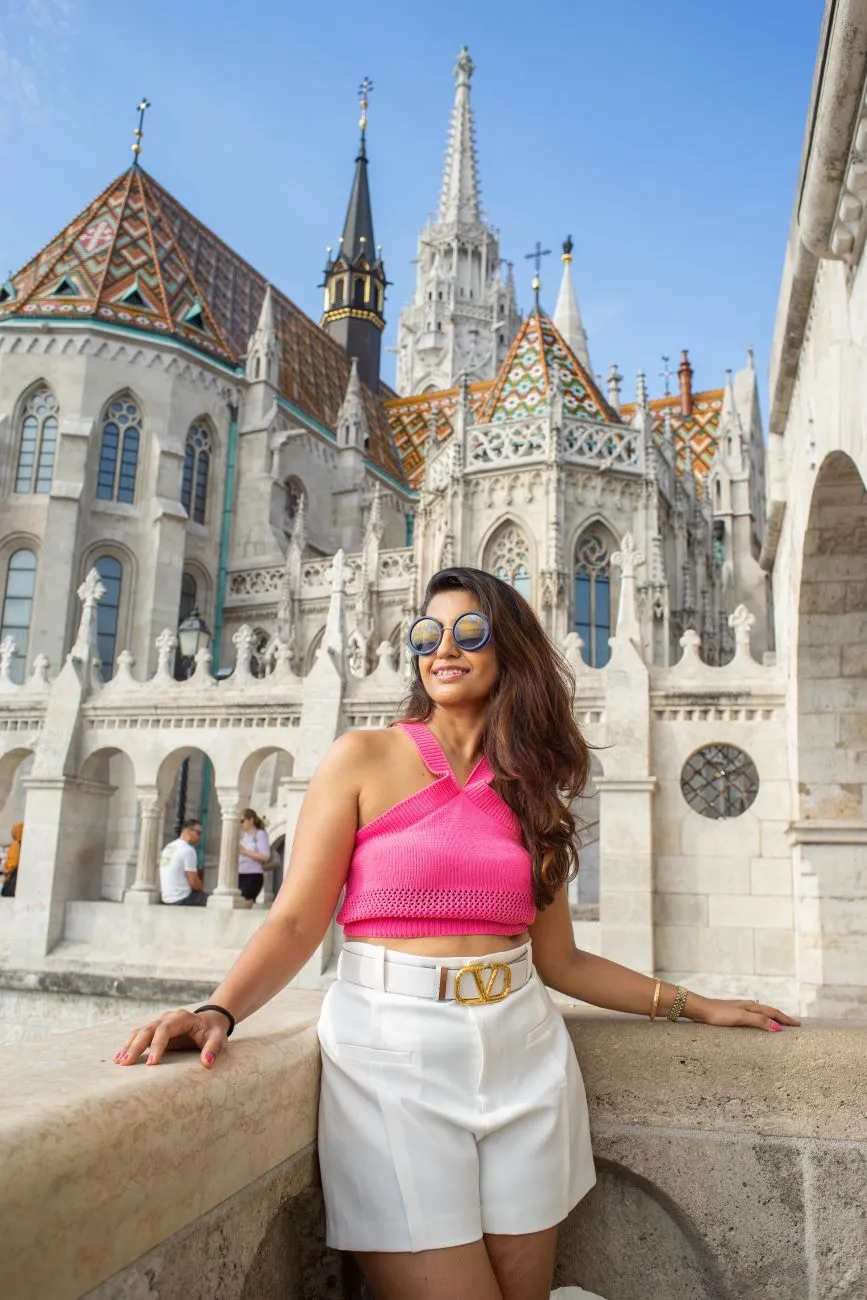
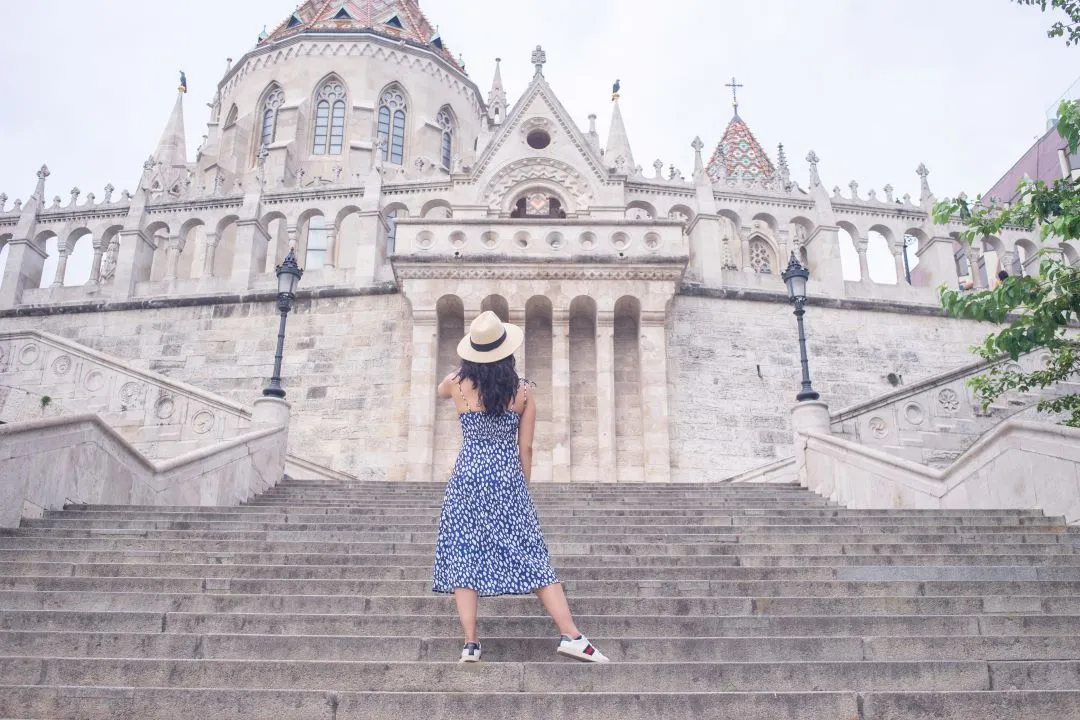
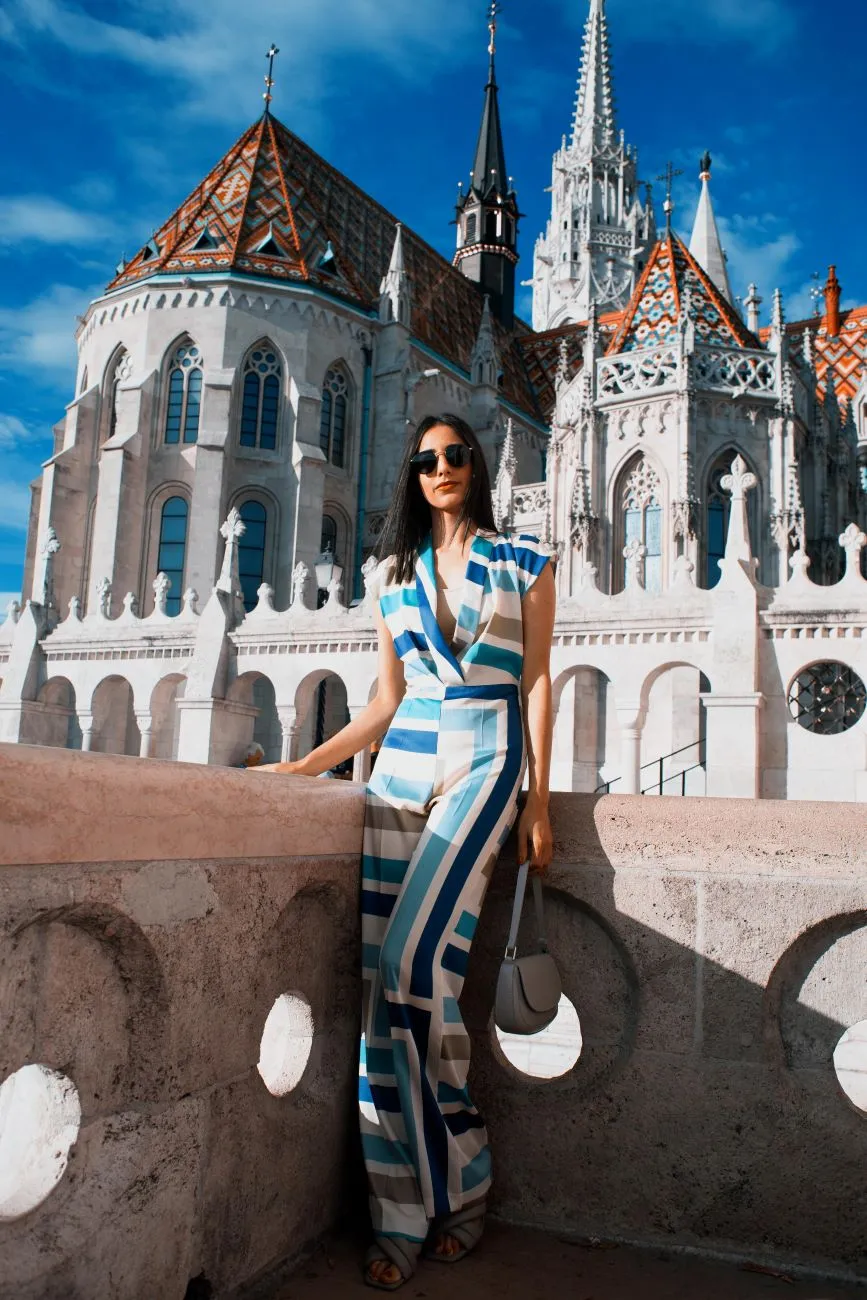
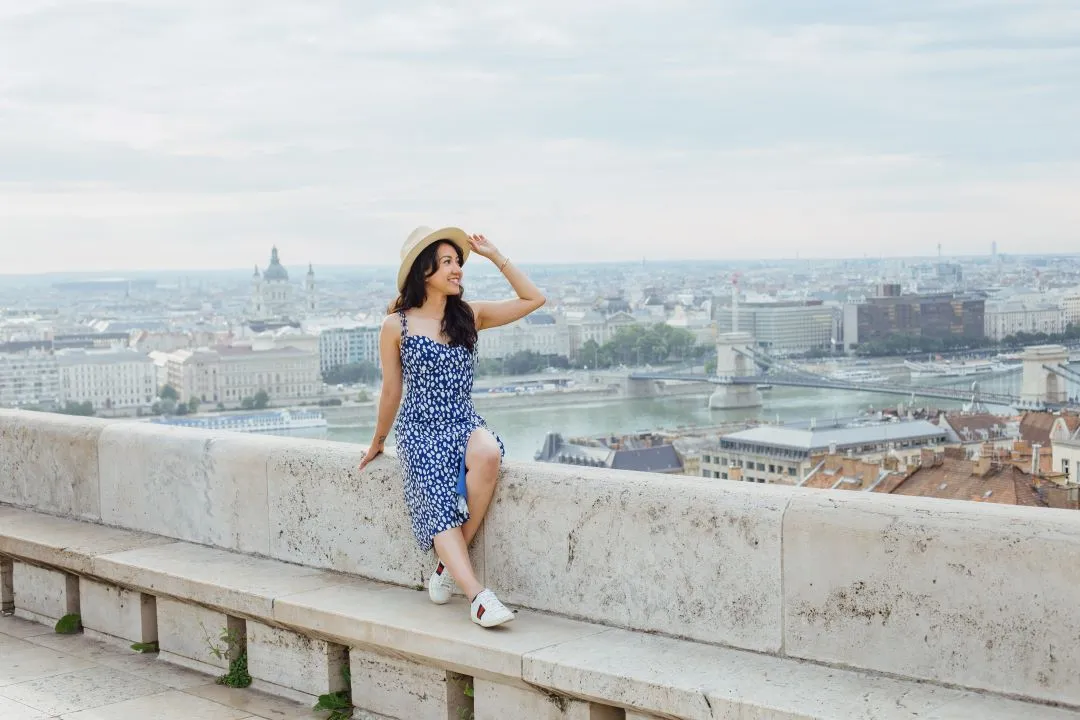
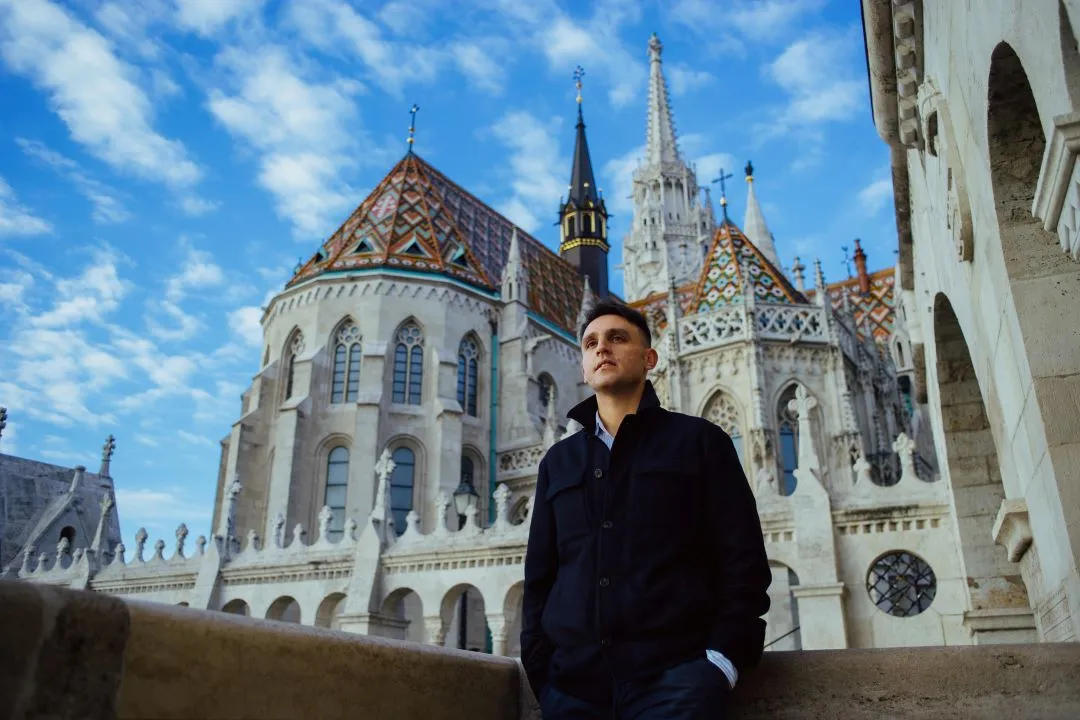
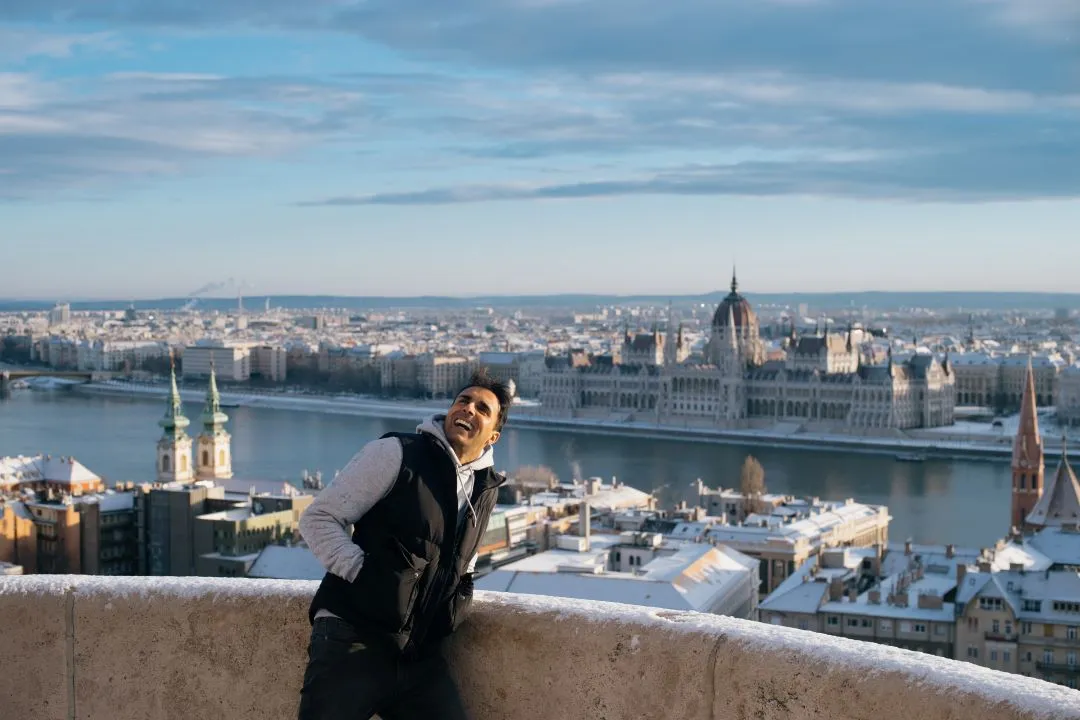
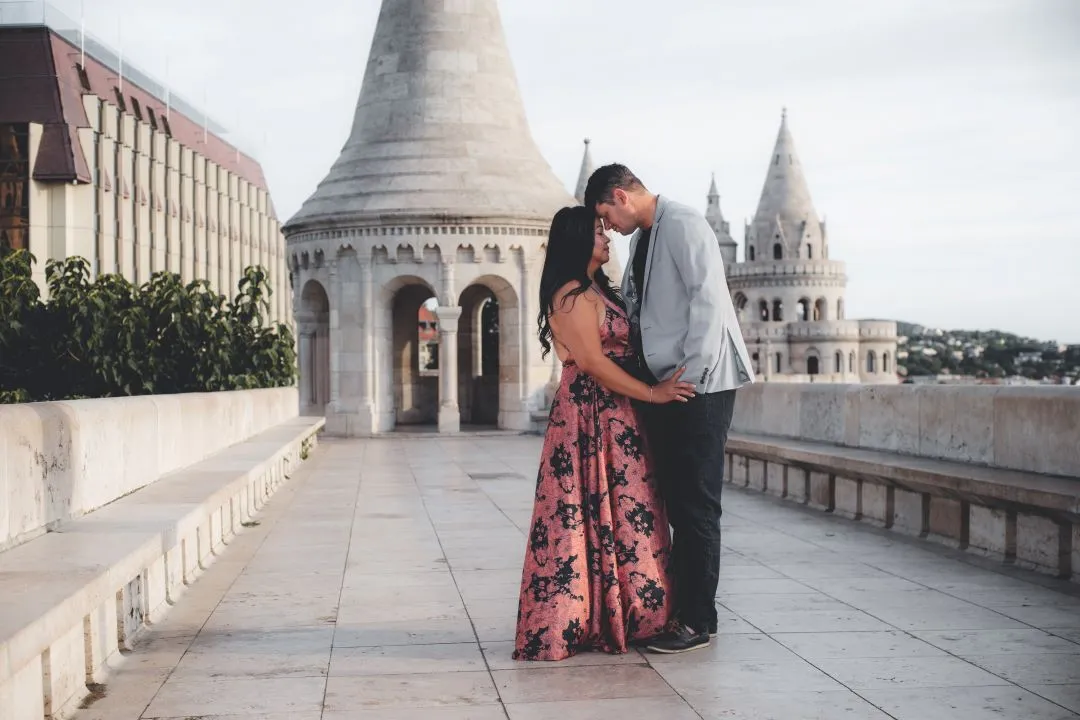
Fisherman’s Bastion Panoramic view of the city lights across the Danube. Wide‑angle composition; balancing foreground and background.
Rudas Bath Terrace River perspective framed by historic bathhouse architecture.
Gellért Hill & Citadel
Sweeping nightscape; perfect for “postcard” shots. Bracketing exposures for HDR, managing dynamic range.
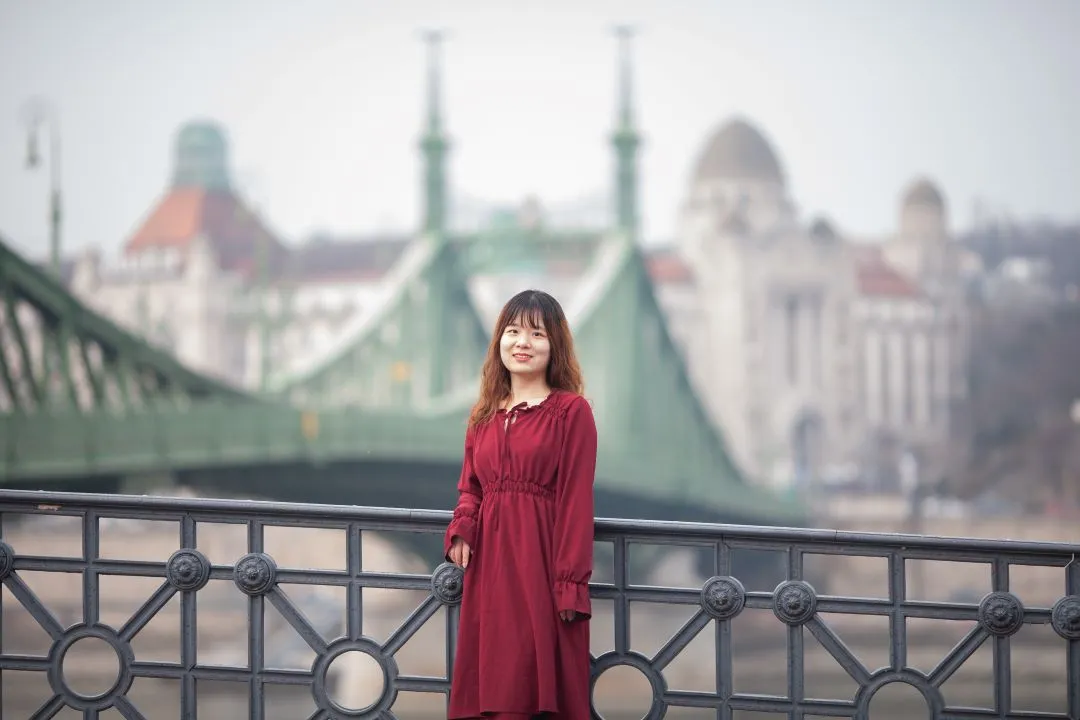
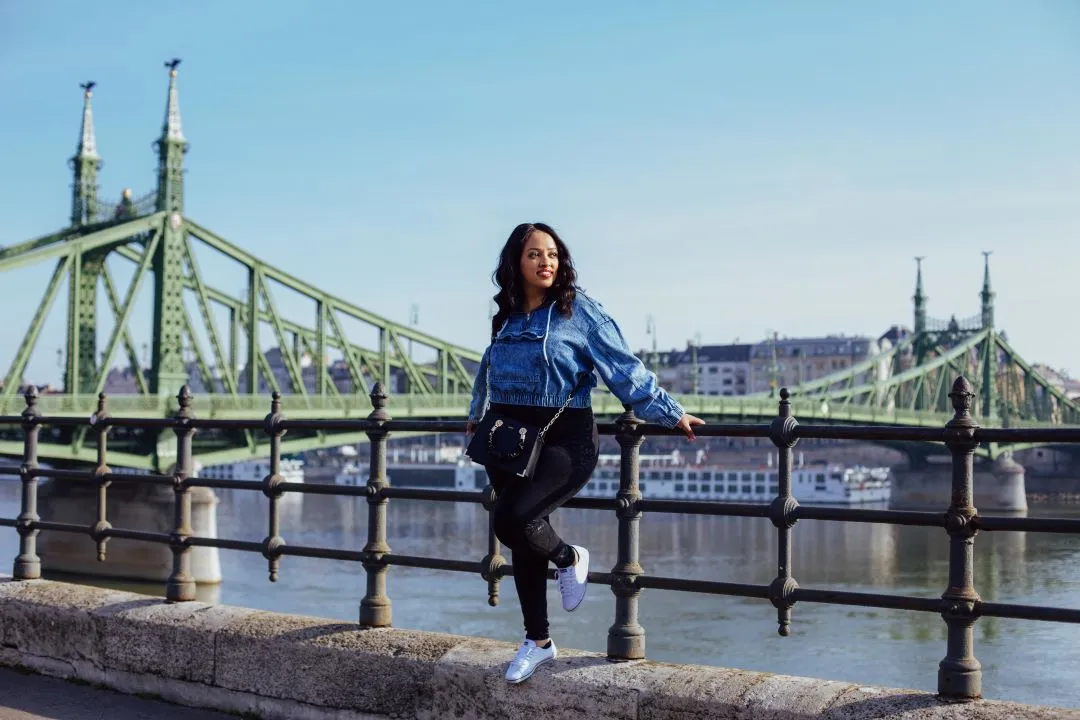
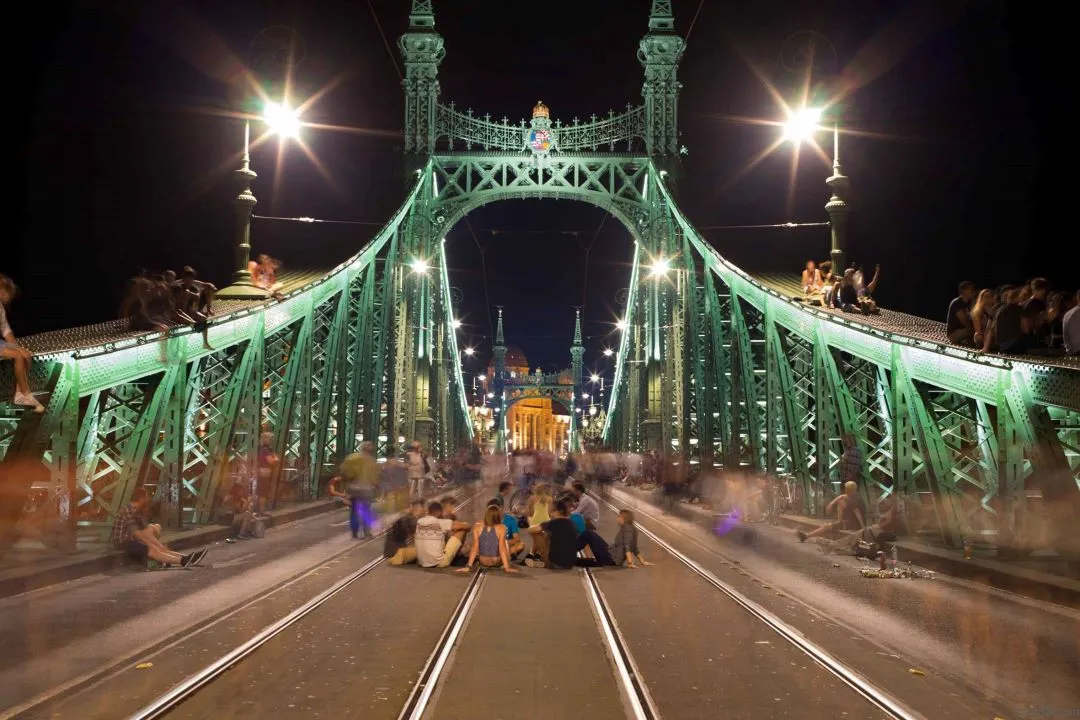
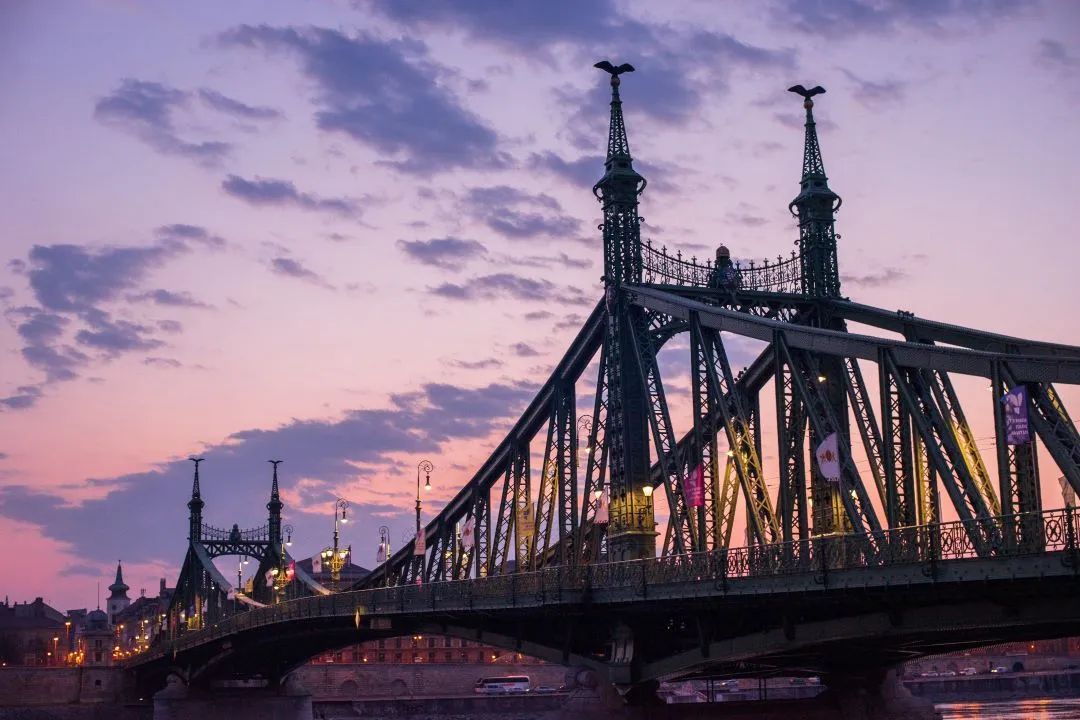
Liberty Bridge & Danube Promenade Reflections on water; opportunity for light‑trail experiments. Creative use of motion blur, capturing boat headlights.
Andrássy Avenue & Opera House Street‑level ambience with illuminated façades. Handheld low‑light techniques, steady stance, and fast lenses.
St. Stephen’s Basilica
Final night shot of the illuminated dome against a deep sky. Review of images, personalized feedback, and post‑processing tips.
The schedule is flexible; adjustments are made according to sunset timing, weather, and group pace. By the end of the walk participants have captured a diverse portfolio—from sweeping panoramas to intimate street details—while having practiced a range of night‑photography techniques.
Core Camera Settings for Night Photography
While exact numbers vary with equipment and ambient light, Gábor introduces a reliable starting point for each situation:
Brightly Lit Landmarks – ISO 100‑200, aperture f/8‑f/11, shutter speed 8‑12 seconds.
Dimmer Riverbank Scenes – ISO 400, aperture f/5.6‑f/8, shutter speed 15‑20 seconds.
Light Trails from Boat Traffic – ISO 200‑400, aperture f/11, shutter speed 20‑30 seconds (ND filter optional).
Star‑Burst Effect on Spires – ISO 100, aperture f/16‑f/22, shutter speed 10‑15 seconds.
Participants are encouraged to view their camera’s histogram, ensuring highlights remain intact and shadows retain detail. Shooting in RAW is emphasized to preserve maximum flexibility for later editing.
Equipment Essentials
Tripod (provided) Guarantees stability for multi‑second exposures.
Vintage M42 lenses (optional) Imparts unique rendering—soft edges, characteristic bokeh—that modern lenses rarely duplicate.
Remote shutter release or self‑timer Eliminates micro‑shakes when pressing the shutter button.
Extra batteries Cold evenings drain power quickly; spare cells prevent missed shots.
Large memory cards Long exposures generate sizable RAW files; ample storage avoids interruptions.
Even photographers who travel light can rely on the supplied tripod and, if desired, borrow one of the vintage lenses to experiment with a different visual style.
Who Benefits Most?
Beginners – Gain confidence in manual mode, learn how to read light, and acquire a solid workflow for night shoots.
Intermediate Photographers – Refine exposure techniques, explore creative effects, and receive constructive critique on composition.
Travel Enthusiasts – Experience Budapest’s most iconic night vistas without the need for a separate guidebook.
Anyone Passionate About the City – Even without a camera, the walk offers an immersive narrative of Budapest’s illuminated heritage.
Practical Tips for a Smooth Experience
Dress for the Evening – Layers are advisable; riverside breezes can be chilly.
Arrive Promptly – The “golden hour” transitions quickly; early arrival secures optimal lighting.
Protect Your Gear – Use lens cloths for dew, and keep batteries warm in a pocket.
Back Up Images – Transfer key shots to a phone or laptop after the walk to safeguard your work.
Enjoy the Process – Night photography rewards patience; allow moments of stillness to observe how light evolves.


Select cookies
Cookies are small text files that the web server stores on your computer when you visit the website.
These cookies cannot be disabled. They are required for the website to work.
To improve the website, including information and functionality, we want to collect analytics. We cannot identify you personally using this data.
By sharing your browsing behavior on our website we can serve you personalized content and offers.
These cookies enable advanced website features such as video playback, chat or embedded content.