Skip to content


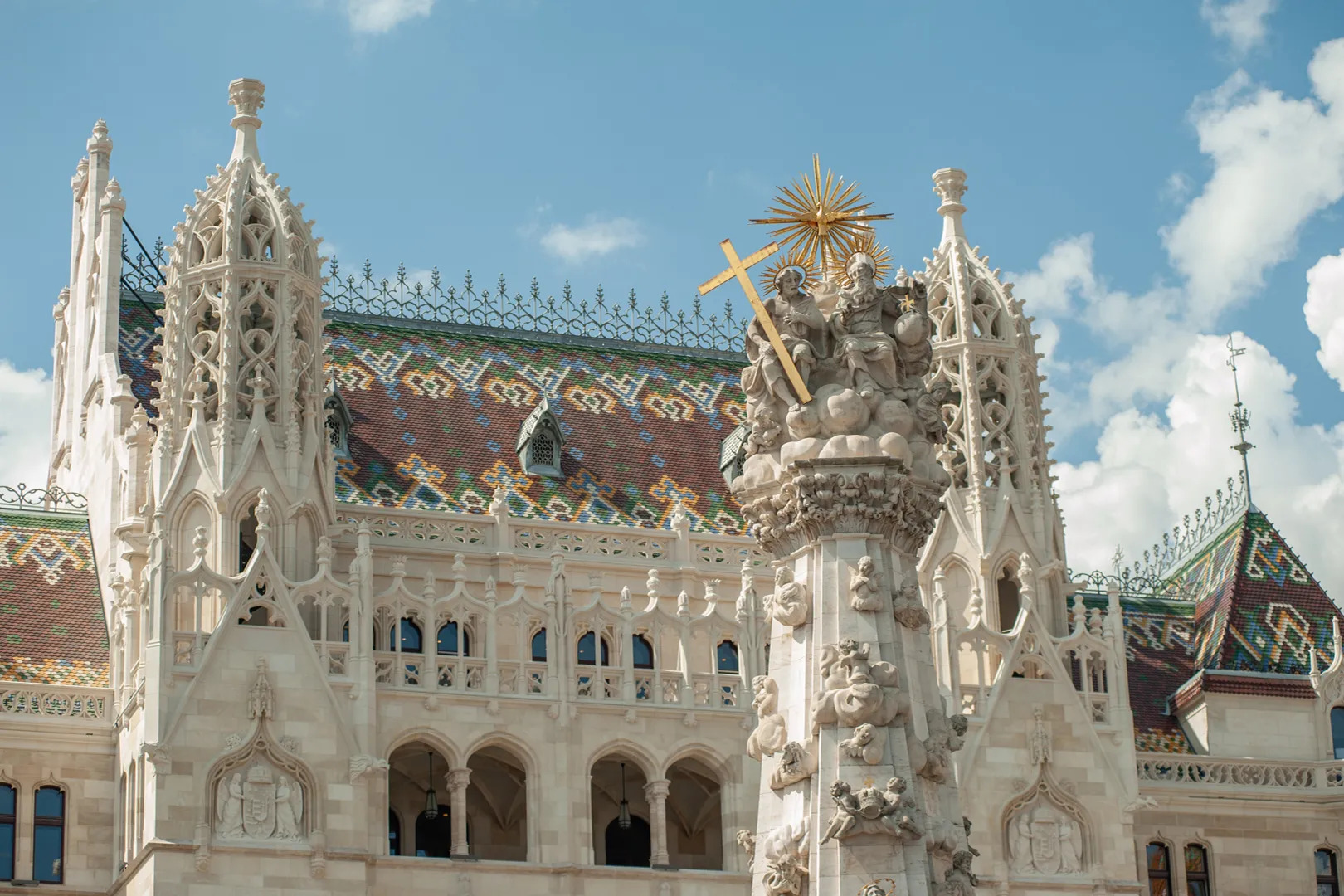

Budapest is not a city best understood by ticking off buildings from a bus window. Its character sits in the details: a tiled roof glimpsed above a tram, a worn stone gateway opening into a peaceful courtyard, a row of faces watching from a façade. This Budapest architecture guide is for travellers who want to slow down, look up and understand why the city feels so richly layered.
The joy of walking here is that grand statements and ordinary life are never far apart. One street may offer a magnificent avenue, the next a quiet residential square where laundry hangs above an elegant entrance. You do not need to be an architecture expert to enjoy it. A little context changes what you see.
Budapest architecture guide: start with the two sides of the city
Budapest is often described as one city with two personalities. Buda rises in hills and slopes, with older streets, lookouts and a more intimate rhythm. Pest is flatter, broader and bolder, with long boulevards, monumental public buildings and lively turn-of-the-century neighbourhoods.
This contrast matters when planning a walk. In Buda, architecture is shaped by the terrain. Streets bend, views appear unexpectedly, and buildings are often seen against wooded hills rather than along a straight urban axis. In Pest, the drama comes from scale: avenues, squares and façades designed to impress from a distance.
If your time is limited, do not try to cover every celebrated building. Choose one side of the river for close observation, then cross for the change of perspective. The river itself is one of the best places to understand the city’s skyline, because domes, spires, bridges and hillside buildings begin to form a clear visual conversation.
The styles to recognise without turning your walk into homework
Budapest is not a single-style city, and that is exactly its appeal. Several periods sit comfortably beside one another. Once you know a few visual clues, you will start spotting them everywhere.
Baroque: curves, drama and church towers
In the older areas of Buda, Baroque buildings often have softened lines, decorative stonework and a sense of theatrical movement. Look for curving façades, elaborate entrances and towers that dominate a small square. These buildings were made to create an emotional first impression, especially when approached on foot through narrower streets.
Matthias Church is a particularly memorable example, although its colourful patterned roof and later restoration details make it more visually complex than the label alone suggests. Visit early if you can. The surrounding streets are quieter before the main crowds arrive, and the morning light is kinder for photographs.
Neoclassical: calm proportions and confident columns
Neoclassical architecture is more restrained. You will recognise it through symmetry, columns, triangular pediments and a formal sense of balance. It often appears in churches, museums and grand civic buildings, where the message is less about ornament and more about permanence.
The Hungarian National Museum is worth viewing even if you do not go inside. Stand back from the steps and notice how the building uses proportion rather than excess decoration to hold its ground. It also sits close to streets where everyday Budapest continues around it, which makes the contrast especially enjoyable.
Historicist grandeur: Budapest at full volume
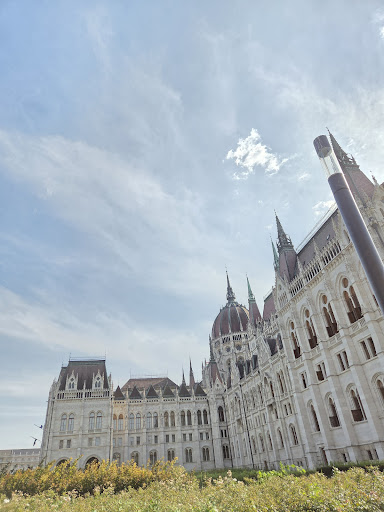
The late 19th and early 20th centuries gave Pest much of the architecture visitors remember most clearly. This was a period of rapid growth, and the city dressed for the occasion. Buildings borrowed motifs from earlier European styles, mixing Renaissance, Gothic and Baroque references into confident, richly decorated façades.
Andrássy Avenue is the place to read this story at street level. Its villas, blocks of flats and cultural buildings create a carefully composed route rather than a collection of isolated sights. The Hungarian State Opera House is one of the finest stops, but do not rush past the residential buildings. Their balconies, ironwork and sculpted entrances reveal just as much about the ambitions of the era.
Art Nouveau: look for the unexpected
Art Nouveau is where Budapest becomes playful. Instead of rigid symmetry, look for floral motifs, colourful ceramic tiles, flowing ironwork and details inspired by nature. Sometimes the most striking features are above eye level: glazed roof tiles, delicate window surrounds or a line of stylised leaves beneath a cornice.
The Museum of Applied Arts is an obvious highlight, though its ongoing accessibility can vary, so it is wise to check before planning around an interior visit. Gresham Palace offers a more central encounter with the style, while the streets around the former Jewish Quarter reward those who keep looking at doorways and upper floors rather than only at street-level cafés.
Art Nouveau is also a useful reminder that architecture was never only for landmark buildings. In Budapest, even a modest block can have a beautifully designed staircase, tile panel or entrance lamp. Some of the best finds are not famous at all.
Do not skip the courtyards and staircases
A façade is only the public face of a Budapest building. Behind it, many older blocks of flats open into courtyards, with balconies running around several levels. These spaces were designed for shared urban life, and they still reveal how the city works beyond its postcard views.
Be respectful when entering residential buildings. If a gate is open, step in quietly, avoid blocking entrances and remember that people live there. Never treat a courtyard as a film set. A quick look at the staircase, tiled floor or iron balustrade can be more rewarding than a long stop.
The former Jewish Quarter is especially good for this kind of observation. Its streets hold grander buildings alongside plain, timeworn houses, workshops, bars and small shops. That mixture is part of the architectural story. Not every building has been polished into perfection, and the weathered surfaces often tell you more than a freshly restored façade.
A walking route that makes architectural sense
For a first visit, begin around St Stephen’s Basilica, where the surrounding streets offer a useful introduction to grand Pest. From there, walk towards Liberty Square for contrasting façades and open space, then continue down towards the river. Along the way, pause at corners rather than marching from landmark to landmark. Budapest’s buildings are often designed to be read obliquely, as they unfold along a street.
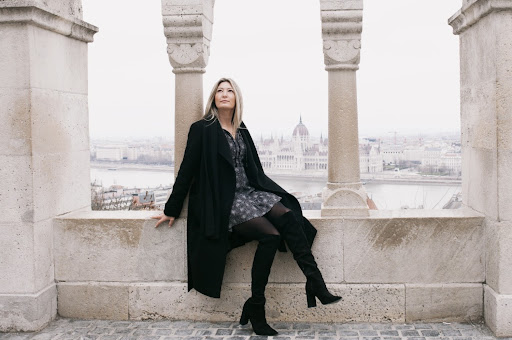
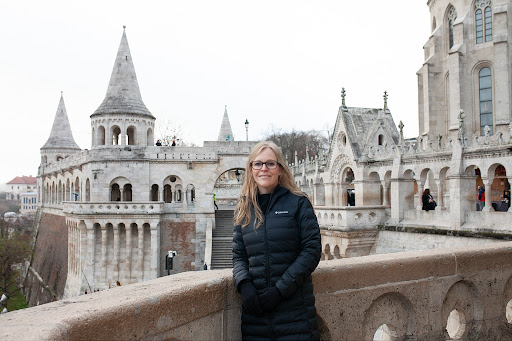
Cross the Chain Bridge when conditions allow and head uphill into the Castle District. The climb is part of the experience: Pest gradually becomes a panorama, while Buda’s lanes become more enclosed and textured. Fisherman’s Bastion may be busy, but it provides a wonderful lesson in how architecture can frame a view as carefully as it frames a building.
If you prefer a less demanding route, stay in Pest and combine Andrássy Avenue, the Opera area and the streets around Oktogon. This is an easy walk with plenty of places to stop for coffee, and it lets you focus on façades without worrying about hills or long transfers.
How to look beyond the obvious
When I guide visitors, I encourage them to choose one detail to follow for ten minutes. It might be door knockers, balcony railings, rooflines, ceramic decoration or the faces carved above windows. This simple habit turns a pleasant stroll into a personal treasure hunt.
Light also changes the experience. In the middle of the day, broad avenues can feel busy and flat in photographs. Early morning brings calmer streets and softer shadows, while the hour before sunset gives warm colour to stone façades and creates a beautiful glow across the river. After dark, a short riverside walk reveals another side of the city, when illuminated landmarks become anchors in the skyline.
There is a trade-off, of course. A packed itinerary lets you see more famous sights, but it leaves little room for the small discoveries that make Budapest memorable. If architecture is a real interest, allow time to wander between destinations and leave space for one unplanned detour.
Make the city easier to read with a local
Budapest’s architecture can feel wonderfully abundant, but the abundance is also why a first-time visitor may miss the connections. A private walk can be tailored around Art Nouveau, historic boulevards, hidden courtyards, photography stops or simply the buildings closest to your hotel and interests. With Budapest Tour Guy, I can help you spend less time deciphering maps and more time noticing the stories written in stone, tile and iron.
Next time a doorway catches your eye, do not hurry through it. Pause, look up, and let the city give you one more reason to take the long way round.