Skip to content

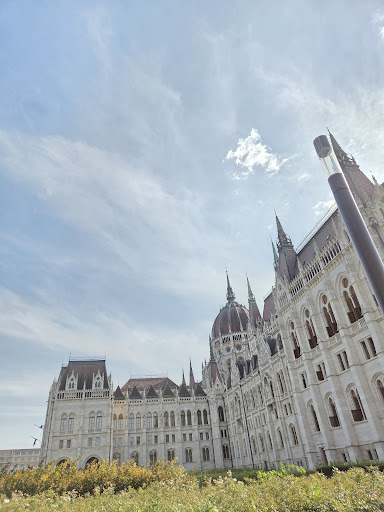
You can tick off Buda Castle, Parliament and Fisherman’s Bastion in a day. The trouble is, that version of the city often stays flat. The top Budapest experiences beyond landmarks are the ones that change your pace, sharpen your senses and let you feel how the city actually lives – in its baths, cafés, wine cellars, side streets and evening rhythms.
That matters even more if you are here for a short city break. When time is limited, it is tempting to collect the famous sights and move on. But Budapest is one of those places where the memorable moments are often smaller and more personal: a long soak in mineral water after a day of walking, a glass of local wine with proper context, a neighbourhood stroll where the buildings start to make sense because someone local is reading them with you.
Why the top Budapest experiences beyond landmarks stay with you
A landmark gives you a picture. An experience gives you a story. That is the difference.
The grand buildings are worth seeing, of course, but they rarely explain the city on their own. Budapest makes more sense when you notice how people use it. You understand the Danube differently at night than you do at midday. You understand local food differently when it is part of a conversation rather than just a meal grabbed between stops. You understand the city’s scale differently on a bike than from the window of a vehicle.
There is also a practical side. Popular sights can be crowded, weather-dependent and slightly rushed, especially in peak season. Building your trip around experiences creates breathing room. It gives the day a better rhythm and often leaves you feeling that you have actually been somewhere, rather than just passed through it.
Start with the baths, but choose the right mood
People often treat the thermal baths as a famous sight, but that misses the point. They are not just photogenic buildings. They are part of the city’s routine and one of the easiest ways to step into local life.
The experience depends very much on what you want. Some baths feel social and lively, with a buzz that suits first-time visitors who enjoy a bit of atmosphere. Others are calmer and better if you want quiet time, especially after a packed sightseeing day. If you go at the wrong hour, you may find the place too busy to feel relaxing. If you go with the right expectations, it can become the most restorative part of your trip.
A thermal bath visit works especially well after a walking or bike tour. Your feet get a rest, your pace slows down and suddenly the city feels less like a checklist. It becomes a place you are inhabiting for a while.
Eat and drink where context matters
A lot of visitors want to try Hungarian food and wine, which is exactly right, but the best experiences come with a little guidance. Without context, you can end up ordering the safest option in the most obvious place and calling it done.
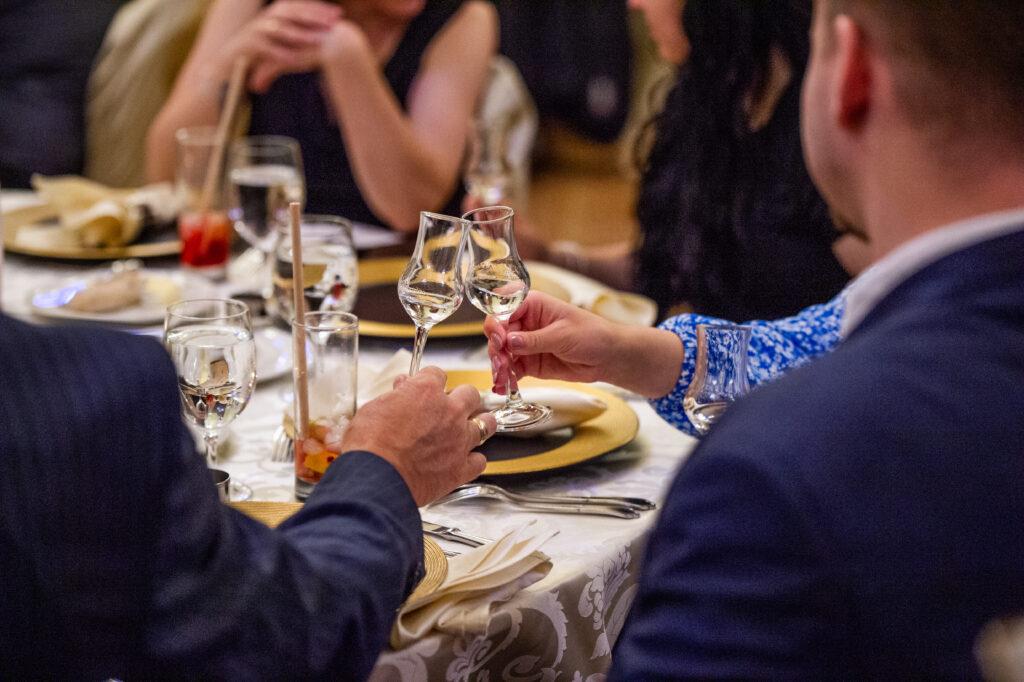
Budapest rewards curiosity here. A proper wine tasting introduces regions, grape varieties and local habits that many visitors would otherwise miss entirely. Hungarian wine is far more varied than people expect, and tasting it with someone who can explain why one style suits a season, a dish or a mood makes the whole thing more memorable.
The same goes for food. There is a big difference between eating traditional dishes and understanding where they fit in daily life. Are you after something hearty and classic, something sweet from café culture, or something quick and local that people actually grab during the day? It depends on your appetite, your budget and how adventurous you feel. The best food experiences are not always the most formal ones.
See the city after dark
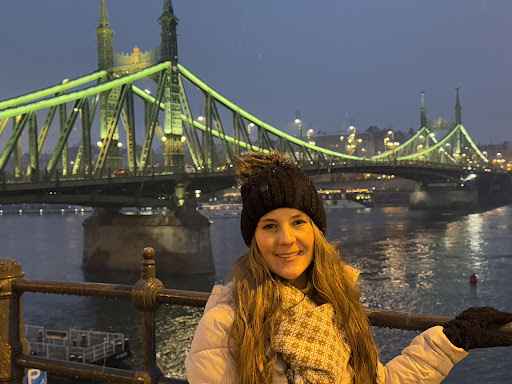
If you only know Budapest in daylight, you only know half of it. Evening changes the whole feel of the city. The river reflections soften the monumental architecture, bridges become part of the atmosphere rather than just transport routes, and neighbourhoods that looked ordinary in the afternoon suddenly feel cinematic.
Night experiences work well because they combine the familiar with the unexpected. You may revisit places you saw earlier, but they land differently. A cruise can be wonderful for the broad views and the sense of occasion, while a guided evening walk gives you more texture at street level. The better choice depends on what sort of traveller you are. If you want comfort and panoramic scenery, the water is hard to beat. If you prefer stories, hidden corners and the feeling of being inside the city rather than observing it, walking usually offers more.
For couples, solo travellers and photographers, this is often where the trip becomes memorable. The city is easier to feel at night because it is less about ticking sights off and more about mood.
Use a bike when you want range without losing detail
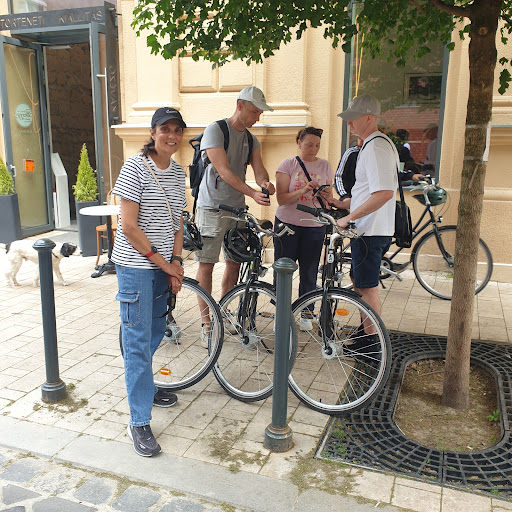
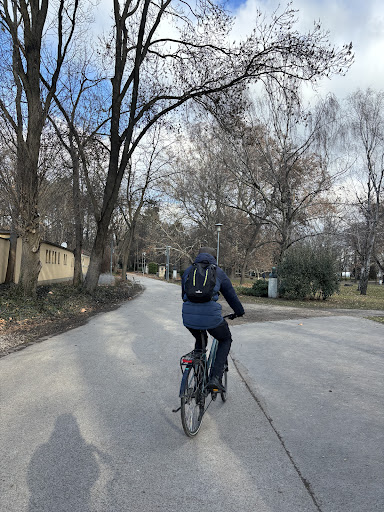
Budapest is a city of broad avenues, riverside stretches and neighbourhood contrasts, so cycling can be a brilliant middle ground. You cover far more than you would on foot, but you still stay close enough to notice details that disappear from inside a car or coach.
This works particularly well if you want to connect major areas without making the day feel fragmented. Instead of jumping from point to point, you experience the spaces in between. That matters in a city where scale and layout tell part of the story.
There are trade-offs, of course. Cycling suits some travellers better than others. Weather, confidence in traffic and the physical demands of the day all matter. But for visitors who enjoy active sightseeing, it is one of the smartest ways to balance efficiency with genuine street-level experience.
Make room for neighbourhoods, not just monuments
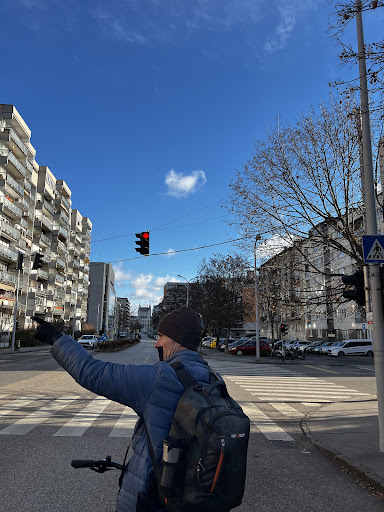
Some of the best hours in Budapest happen away from the obvious headline sights. A residential street with worn facades, little shops, café terraces and traces of different eras can reveal more about the city than another grand exterior.
This is where a local perspective becomes genuinely useful. Without it, you may walk through an area and simply think it looks attractive or slightly faded. With context, the same street starts telling stories about how people lived, what changed, what survived and why one district feels different from the next.
For returning visitors especially, neighbourhood-focused time can be far more rewarding than revisiting the same major attractions. It feels less staged and more personal. Even first-time visitors often find that these quieter stretches become the bits they talk about afterwards.
Try a photo-led experience if you want memories you will actually keep
Most people come home with dozens of hurried phone photos and very few they truly love. That is why a photography-led experience makes more sense than it first appears.
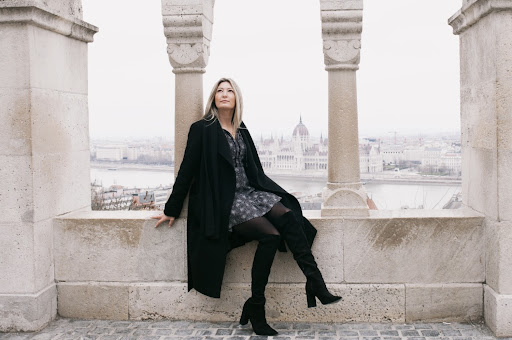
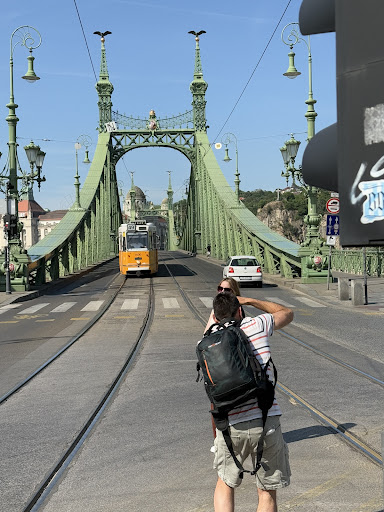
It is not only about getting flattering pictures, though that helps. It changes how you move through the city. You pause at the right moments, catch better light and notice angles you would otherwise miss. If you are travelling as a couple or solo, it also solves the usual problem of one person always being behind the camera.
A photowalk or sightseeing session with photography built in works especially well in Budapest because the city has strong visual contrasts – hilltop views, river panoramas, ornate façades, quiet side streets and dramatic evening scenes. The result feels less like a posed add-on and more like a thoughtful way to experience the place.
Choose experiences that match your energy, not someone else’s itinerary
One reason travellers miss the best of the city is that they copy an itinerary built for a different type of trip. A fast-moving plan can be exciting, but it can also leave no room for enjoyment. Equally, a very slow plan can feel frustrating if you like to stay active.
So think in terms of energy. If you want depth and conversation, choose a guided walk with food, wine or neighbourhood focus. If you want breadth, pair a bike tour with an evening cruise or walk. If you need balance, do the famous sights early and save one richer, slower experience for later in the day.
This is often where a tailored approach beats a fixed large-group schedule. A local guide can help shape the day around your pace, interests and confidence level, whether you care most about history, food, photography or simply making the city feel easy to navigate. At Budapest Tour Guy, that is usually the difference guests notice straight away – the city stops feeling like a list of must-sees and starts feeling personal.
The real point of going beyond landmarks
Landmarks prove you were there. Experiences help you remember why you went.
If you give Budapest a little more than a surface glance, it gives plenty back: warmth, flavour, atmosphere, and the sense that someone has opened the door rather than just pointed at the view. When planning your trip, leave space for the parts of the city that cannot be captured by a postcard. They are usually the ones you carry home with you.