Travel Photography Experience Trends in 2026

 Skip to content
A lot of travellers no longer want to come home with 300 nearly identical photos of the same landmark. They want images that feel like they were really there – not just proof of arrival, but proof of experience. That shift is exactly why travel photography experience trends matter now, especially for people who want a city break to feel personal rather than pre-packaged.
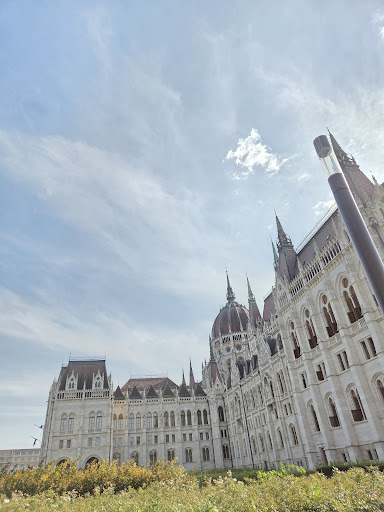
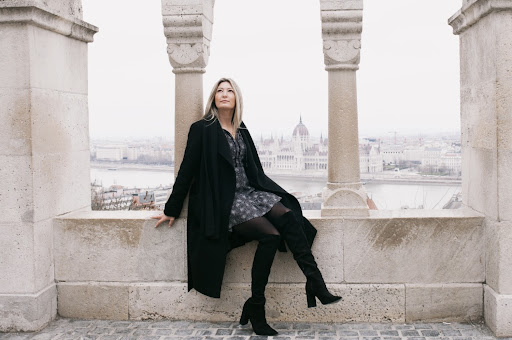
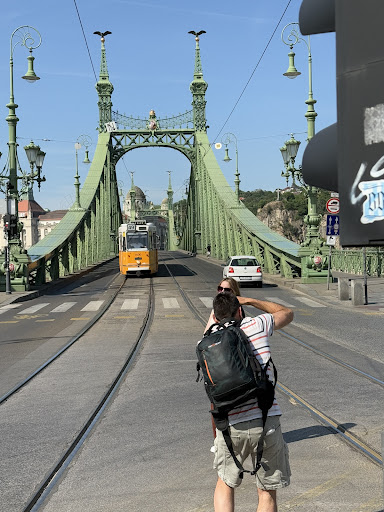
If you have travelled in Europe over the last few years, you have probably noticed the change yourself. People still want the grand view from the hill, the Parliament glowing at dusk, the bridge shot at blue hour. But they also want the side street, the coffee stop, the laugh between one location and the next. The camera is no longer just aimed at the city. It is aimed at the feeling of being in it.
The biggest change is simple: travellers are placing more value on guided experiences that create photographs naturally, rather than booking a stiff, stand-alone photoshoot with no real connection to place. People want context. They want someone to show them where the light falls best in the late afternoon, but also why that square matters, what that building says about the city, and where to stand without spending half the morning dodging crowds.
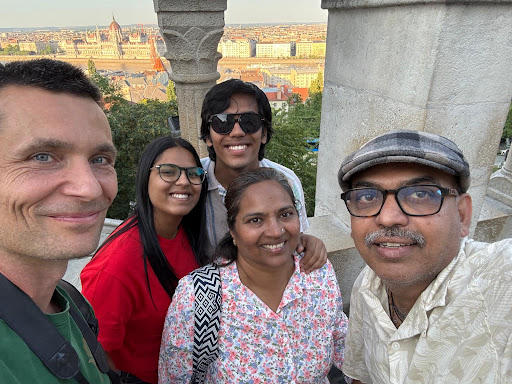
That makes photography part of the outing, not a separate performance. For many couples, solo travellers and small groups, this feels far more relaxed. You are not just posing for an hour. You are exploring, learning, stopping when something catches your eye, and ending up with images that make sense because the experience itself made sense.
There is also a stronger appetite for candid photography. That does not mean people do not want a polished portrait. Of course they do. But there is less interest in overly edited, generic travel images that could have been taken almost anywhere. More travellers prefer photographs with a sense of place – tram lines, old facades, market textures, riverside light, café interiors, weather, movement. In other words, not perfection but character.
One of the most interesting travel photography experience trends is that people increasingly judge a photo by the story behind it. A good image is no longer only about composition. It is about memory. Where were you heading just before that shot? What had your guide told you? Did you find that quiet courtyard by accident, or because a local knew when it would be empty?
This is where local knowledge starts to matter much more than gear. A smartphone in the right place, at the right time, with the right background and a relaxed atmosphere, often produces a better memory than an expensive camera used in a rush. Travellers are becoming more aware of that. They are less impressed by technical language and more interested in practical expertise.
For a city like Budapest, this matters because the visual experience changes dramatically by neighbourhood, time of day and season. The same riverside stretch can feel grand in the morning, cinematic in the rain and almost theatrical after dark. A visitor on their own might spot the obvious highlights. A local guide can turn those highlights into a sequence that feels effortless and varied.
People are tired of being processed. That is true across travel generally, and photography is part of it. A private or small-group experience gives more room for adjustment. Some guests want romantic couple shots without feeling awkward. Others want family photos where nobody looks forced. Some want practical help using their own phone better. Others are keen photographers who want angles, timing and route advice rather than posed portraits.
That flexibility is one reason personalised photography-led tours are becoming more appealing than standard group sightseeing. The trade-off, naturally, is price. A tailored experience costs more than joining a large group and taking your own snaps. But for many travellers, especially on a short break, the value is in saving time and avoiding disappointment.
There is another factor as well: confidence. Plenty of people feel comfortable taking scenery but not comfortable asking strangers for a photo, setting up a tripod in a busy street, or figuring out whether a location is worth the detour. A guide who understands the city and how people move through it removes a lot of that friction.
It would be easy to say that social media is driving all travel photography experience trends. It certainly plays a role, but the influence is a bit more complicated now. Travellers still care about shareable images, yet many are moving away from the old habit of chasing the exact same photo they saw online.
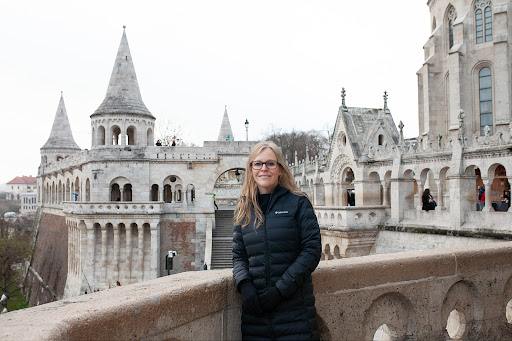
The smarter traveller now wants something recognisable but individual. They may still want Fisherman’s Bastion at sunrise or a classic Danube backdrop, but they also want a version that feels like theirs. That could mean a less crowded viewpoint, a frame with everyday city life in it, or an image taken during a walk that includes food, conversation and a few unscripted moments.
In practice, this has made experiences more hybrid. People want the iconic shot and the hidden detail. The best photography experiences understand that both have value. Ignore the landmarks and some guests feel they have missed the essentials. Focus only on famous backdrops and the whole outing can feel interchangeable.
Short city breaks have helped shape these trends as much as social platforms have. When visitors only have two or three days, they want efficiency. They want to see the key sights, understand what they are looking at, and come away with memories that are not limited to hurried selfies.
That is why multi-purpose experiences are becoming more attractive. A walking tour that also builds in great photo stops, a wine tasting paired with a scenic route, or an evening outing that catches the city at its most atmospheric can feel far more rewarding than separate bookings squeezed awkwardly into the day.
This approach suits travellers who care about value in the real sense of the word. Not cheapness, but usefulness. One well-designed experience can cover orientation, local insight, practical tips, beautiful views and strong photographs all at once. For many visitors, that is a better use of limited time than trying to patch together the same result alone.
The demand is moving towards experiences that feel natural, relaxed and locally informed. That usually means a few things. First, people want photography woven into the rhythm of the outing, not constantly stopping it. Second, they want honest recommendations about timing, weather and expectations. A trustworthy guide will say when a location is too crowded, when the light is wrong, or when a different route will work better.
Third, they want a human connection. This is easy to underestimate, but it matters. The best travel photos often come when people feel comfortable. If the atmosphere is rushed or awkward, it shows. If the experience feels like spending time with someone who knows the city and enjoys sharing it, the images usually improve because the mood improves.
That is one reason services such as photowalks and photoshoot sightseeing have grown in appeal. They sit neatly between traditional touring and formal photography sessions. For the right traveller, they offer a balance of guidance, memory-making and genuine exploration. It is not about manufacturing a glamorous version of the trip. It is about making the trip itself more memorable.
The next step is likely to be even more personal and less performative. Travellers are becoming better at spotting what feels staged. They respond well to experiences that leave space for spontaneity, mood and real discovery. That may mean fewer rigid routes, more seasonal planning, and more emphasis on neighbourhood character rather than ticking off only the headline sights.
It also means the role of the guide becomes more valuable, not less. Information is easy to find. Judgement is harder. Knowing which route works in the rain, where to pause at sunset, how to avoid the busiest corners, or when a guest needs a quiet café break before carrying on – that kind of local awareness shapes the experience as much as the camera does.
For travellers coming to Budapest, that is particularly relevant because the city rewards timing and perspective. It can be grand, intimate, dramatic and gentle within the same afternoon. When a photography experience is handled well, you do not just leave with better pictures. You leave feeling that you saw the city properly, and that is still the best kind of souvenir.
Excellent rating
Based on 156 reviews
 My children and I had a great tour with Gabor. He was very informative and knowledgeable, and also accommodating to my children who had to take many stops due to the heat!
 13 August 2026Gabor took many wonderful family photos for us around the city. We learned more about the culture and history of Budapest during the walking tour. A nice experience. Highly recommended. Good to go early in the morning. It is less crowded in the Fisherman's Castle.+0
 10 August 2026Great tour! Perfect combination of food plus history/cultural information. Definitely recommend!
 15 May 2026Informative and knowledgeable about Hungarian history and culture. Specify your interests and he will adjust the tour accordingly.
 14 May 2026Gabor was a great guide. Very knowledgeable and provided his historical perspective. He was also accommodating - at our request, Gabor incorporate transit into our walking tour to alleviate some of the walking for my older parents. It worked out really well. Thank you!
 6 May 2026I had an amazing photoshoot with Gabor in Budapest! He was incredibly kind, knowledgeable, and accommodating from start to finish. He worked with me on a scheduling change without any stress, picked me up directly from my hotel, and even did an extra shoot there which I really appreciated. Not only are the photos stunning, but he also shared so much history and insight about the city along the way. He helped with poses, and even taught me how to use the tram, which made the rest of my trip so much easier. I'm so happy I did this, it was one of the highlights of my trip!+8
 31 March 2026We had a lovely day with Gabor. He took us around Budapest and we saw some lovely places. Very friendly and knowledgeable.
 15 February 2026My husband and I were fortunate to have Gabor as our guide. He was very professional, patient and made the experience fun. He took us to so many photogenic spots. Got our photos back very quickly. Will do it again if we ever get back to Budapest. Glad we signed up with Gabor.
 30 January 2026Die Fotoshooting-Tour mit Gabor in Budapest war super! Er kennt tolle Spots, schafft eine entspannte Atmosphäre und gibt hilfreiche Tipps vor der Kamera. Die Fotos sind hochwertig und authentisch – absolut empfehlenswert!
 4 January 2026Gabor was a highlight of our cruise stop in Budapest. We were there on the 24th of December and unfortunately many places were closed because of the Christmas holiday. However, Gabor was able to find a few places that we were able to visit to taste local delicacies. It was great having a local perspective and Gabor was a wealth of knowledge. We appreciated Gabor’s hospitality and would highly recommend his tours to anyone visiting Budapest!
 27 December 2025I enjoyed my photography tour with Gabor and especially appreciated his flexibility to meet me at an earlier time. He showed me different photography techniques, hidden areas to capture and allowed me to photograph what I wanted. He was also very knowledgeable with several camera models and shooting settings. I had a lot of fun and I highly recommend it! Thank you Gabor!
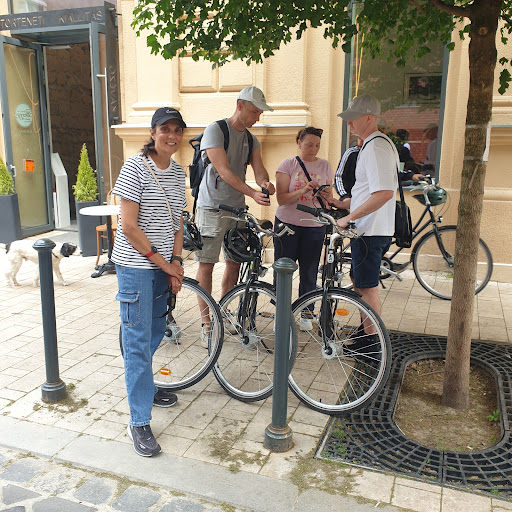
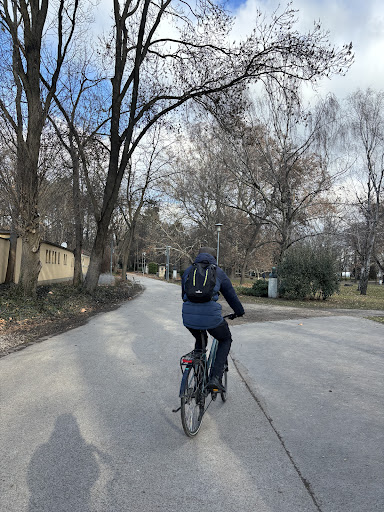
 26 December 2025Gabor is a very friendly and great storyteller with a wealth of historical, cultural and political knowledge! He made our bike tour an amazing experience! Thanks so much Gabor!
 26 December 2025Gabor is so nice and accommodating! Gave us a nice tour of Budapest and took some pictures to remind us of our time there.+1
 24 December 2025We had a wonderful time with Gabor in Budapest! He was very patient with us and knew all the photo spots on both sides of town. We loved hearing about the different buildings and the history of Hungary on our tour.
 22 December 2025Just finished a really nice tour with Gabor via Withlocals. Gabor showed a few nice places to eat which we wpuld never have found by ourselves. Big thumbs up for Gabor!
 10 December 2025I cant recommend Gabor enough. Have an amazing afternoon strolling around Budapest Landmarks and got Gabot to catch my moment there. He’s so talented and have learnt so much from him about Budapest/Hungary history. Got to catch tram and buses for the first time in Busapest. Thank you for such an amazing time.
 4 December 2025Great experience - we learned a great deal about Hungary’s history and culture!
 26 October 2025So knowledgeable. So personable. Would highly recommend. Learned about the history of not just Budapest but Hungary as a whole.
 1 October 2025We had an amazing experience with Gabor. He was friendly, calm and professional. He took us to many places to get lots of different landmarks and poses. He also gave us a very big selection of pictures. If he is still available, book him.
 27 August 2025Gabor is a wonderful, popular guide. My wife and I thoroughly enjoyed our 2 days with him and highly recommend using him as a guide in Budapest. He has excellent english and very wide knowledge of Hungarian history and art and architecture.
 14 August 2025Excellent tour guide … It rained that 2 pm when we were about to start but did not deter him at all .. nobody booked that day except my wife and I needless to say a very private tour for us.. he showed us all the beautiful a nd historic sites in Budapest.. we walked, rode the subway and the tram.. we have a very nice coffee and strudel break.. his recommendations for poppy seed strudel is the best.. Very educated not only History of Budapest, Europe but also beyond.. Thanks to him and we went home with a lot of memories of Budapest.. If there is a six star, I would definitely give to him .. I would use him again next year when we go back with the family … definitely recommend him to anyone who wants a full experience.. he also does photography tour..
 9 July 2025My husband and I both enjoyed our private walking tour. Gabor was a wealth of historical insight into Budapest's history. He was also friendly and flexible.
 23 June 2025Thanks Gabor! You are amazing person with full of knowledge of Budapest. We had great walking tour covering both Buda and Pest sides in 4 hours time using very efficient local transport of Budapest. 🤗+0
 22 June 2025My photographer was very professional and patient because mom cannot walk too much. We had a great time and enjoyed the history he told. Very informative. I would recommend him.
 7 June 2025Gabor was wonderful! If I could I would give him 10 stars!! Highly recommend!!! 7am is early but if you want to get pictures without a ton of people around, it’s the only way to do it! Gabor was kind, professional and patient! Thank you Gabor!+0
 1 June 2025Gabor did a great job taking pictures of our family! He is Highly recommended!!
 1 June 2025Gabor gave an excellent overview of a few areas around Budapest. Learned lots of history and interesting facts about this dynamic city.
 25 May 2025Gavor was extremely knowledgeable and informative and a great host. Highly recommend doing the bike tour with him. Shane from Australia+0
 3 May 2025Gabor is a fantastic photographer... He is very professional and had great time finding nice spots with history behind the locations. Great memories I have of my time in Budapest... Totally worth it... Thank you again Gabor !!!
 2 May 2025Excellent experience! I do not like having my picture taken and was very nervous. Gabor made me feel comfortable. I would highly recommend him to anyone looking for a good photographer.
 18 January 2025Gabor is the best guide to Budapest- he will make your trip unforgettable with his knowledge, kindness and humour!+1
 12 January 2025I did a shoot with my cat and Gabor made it amazing. His pics are top quality, and the result is superb! He’s also a walking traveling book. If you want a special experience when you are in Budapest, book him …. You’ll love it!
 4 January 2025We couldn't be happier by hiring Gabor to capture the precious moment for our family in Budapest. Gabor is not only a great photographer but also a knowledgeable tour guide who taught us so much about the history of Budapest and Hungary. He is very flexible to work with and I really appreciate that even our reserved time is up, he didn't rush to finish the session and spent another hour just to hit the spots that he intended to take our pictures. Although we are not in a rush, he worked so hard to send us the edited pictures in less than 48 hours which was amazing. I felt that I didn't only find a good photographer and tour guide, but also made a good friend in Hungary. Highly recommended!!!
 29 December 2024We were visiting from Sydney for a five day visit to Budapest. Gabor is an amazing tour guide. We wanted a locally connected tour guide and he was certainly that! He was easy going, relaxed, a thorough historian who spoke excellent English. We walked and talked around for more than 3 very interesting & entertaining hours exploring Budapest visiting: * Heroes Square (Hősök tere), * the Museum & Library of Hungarian Agriculture (Magyar Mezőgazdasági Múzeum és Könyvtár) * Magyar Mezőgazdasági Múzeum és Könyvtár * St. Stephen’s Basilica * Buda Castle Precinct * Reteshav, Strudel House….first & best strudel in Budapest At the end of our tour, we were reluctant to leave him to go on our next walking food tour and invited him to come along with us 🥹 but he kindly refused. Even after our tour, he was helping us with recommendations via texts for dinner venues, which were excellent choices. Give Gabor a call, he will tailor a bespoke and personalised Budapest tour for you that won’t cost the earth. You won’t be disappointed!
 28 December 2024the walking tour with Gabor was the best! i learned so much about Buda and Pest and really enjoyed the sights. Gabor was great about tailoring the tour to my interests/questions. a MUST DO in budapest!
 26 December 2024Gabor is definitely worth booking for the sightseeing tour. He is very knowledgable about Budapest/Hungarian history. He is willing to adjust with what his guests want during the tour. We chose a photo-centric tour and he knows alot of good spots to take photos whether a postcard material shot or your portrait on the most interesting spots in Budapest. It’s also a plus that he has got a good sense of humor. Thank you Gabor, we enjoyed the tour alot. Henyr, Winnie
 21 December 2024Loved the walking tour. Very adaptive to our interests and what we wanted to do and see. Good history lesson and good conversations about almost everything. Loved the appel and poppy seed strudel!+1
 6 December 2024Great walking tour. Very informative and educational guide! Enjoyed the sights and the apple strudel.+2
 6 December 2024
Select cookies
Cookies are small text files that the web server stores on your computer when you visit the website.
These cookies cannot be disabled. They are required for the website to work.
To improve the website, including information and functionality, we want to collect analytics. We cannot identify you personally using this data.
By sharing your browsing behavior on our website we can serve you personalized content and offers.
These cookies enable advanced website features such as video playback, chat or embedded content.