Skip to content


A luxury city break used to mean a smart hotel, a restaurant booking that took weeks to secure, and perhaps a car waiting outside. That still matters, of course, but luxury city touring trends have moved somewhere more interesting. Travellers now want access, ease and genuine local connection – not just polished surfaces and expensive extras.
That shift makes perfect sense from a guest’s point of view. If you only have two or three days in a city, you do not want to spend them in a queue, following a raised umbrella, or sitting through a script that could be repeated anywhere. Real luxury in touring now feels more personal. It respects your time, your interests and your pace.
Why luxury city touring trends are changing
The biggest change is that people have become far more selective about what counts as worth paying for. A high price on its own no longer signals quality. Travellers want to feel that someone has thought about the experience properly, from timing and route to atmosphere and detail.
In practice, that means private and small-group experiences have become more attractive than one-size-fits-all sightseeing. Guests want room to ask questions, stop for photos, change direction if something catches their eye, or linger over a glass of wine without feeling they are slowing down twenty other people.
There is also a stronger appetite for stories over facts alone. Most visitors can look up the opening date of a building on their phone in seconds. What they cannot get from a quick search is context – why a place matters, how locals use it, what details are easy to miss, and how the city actually feels once you step away from the standard route.
The move from status to substance
For years, luxury travel often leaned heavily on visible signals – premium transport, exclusive venues, fast-track access. Those things still have value, especially when they save time or add comfort, but they are no longer the whole story.
Substance has become the differentiator. Travellers increasingly remember the guide who adjusted the route because the light was perfect by the river, the hidden courtyard they would never have found alone, or the conversation that helped them understand a neighbourhood rather than simply pass through it.
That does not mean comfort has disappeared. Quite the opposite. It means comfort is expected, while emotional value is what turns a good tour into a memorable one. The strongest experiences now combine both.
Personalisation is no longer a bonus
One of the clearest luxury city touring trends is the expectation of tailoring. Guests do not always ask for something extravagant. Often they want something more sensible than that. They want a tour shaped around their interests, energy level and available time.
A couple on a weekend away may want elegant highlights, beautiful viewpoints and time for a relaxed drink. A solo traveller might prefer deeper historical discussion and practical local tips. A group of friends may care most about atmosphere, food, photos and seeing parts of the city that feel lived-in rather than staged.
The difference matters. A personalised experience feels calmer because it removes friction. You are not spending half the day on stops you do not care about. You are not trying to decode transport, timing or etiquette on the go. Instead, the city starts to open up in a way that feels effortless.
Local expertise has become part of the luxury
This is where many visitors are changing their definition of a premium tour. It is no longer only about exclusivity. It is about being with someone who knows how the city works beyond the brochure version.
A knowledgeable local guide adds value in dozens of small ways. They know when a famous spot is at its best, when it is best avoided, which route is easier on tired legs, and how to connect major landmarks with smaller places that give the city character. They can explain customs, recommend where to eat after the tour, and help visitors feel comfortable rather than managed.
That human side is especially important in cities that reveal themselves slowly. Grand architecture impresses at once, but atmosphere takes a bit of interpretation. A local guide can turn a beautiful street into a story, and a quick stop into a meaningful memory.
Experience layering is replacing simple sightseeing
Another notable shift is that travellers increasingly want more than a standard walk-and-talk format. Sightseeing is being blended with other pleasures: wine tasting, photography, evening river views, food stops, craft traditions and neighbourhood culture.
This works well because cities are not one-dimensional. A grand avenue can be admired architecturally, but it can also be understood through café culture, local habits, changing design and the way people move through it at different times of day. Layering experiences makes a tour feel richer without making it feel complicated.
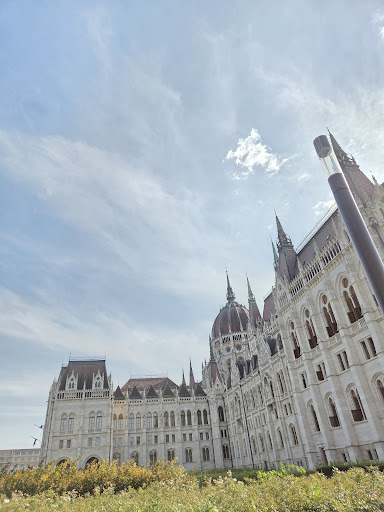
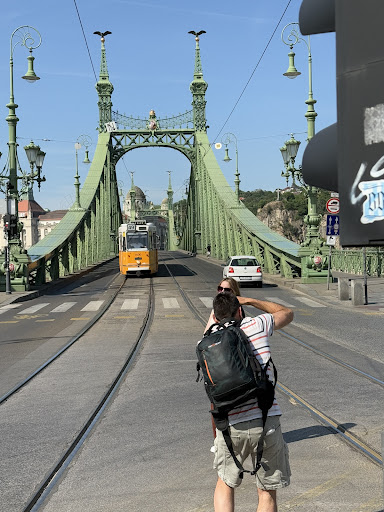
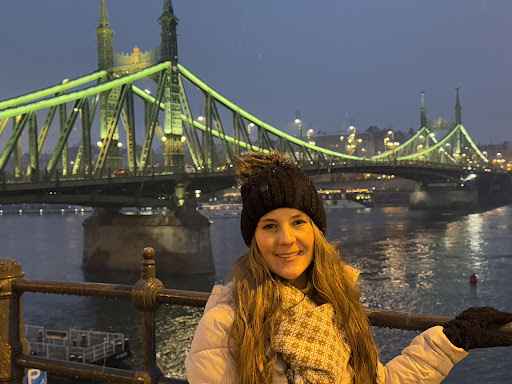
In Budapest, for example, a city tour can become far more memorable when it includes a tasting, a night element, or time set aside for truly good photographs rather than rushed snapshots. These additions are not gimmicks when done properly. They help visitors engage with the city through several senses at once.
Luxury now includes good photos – but not only for social media
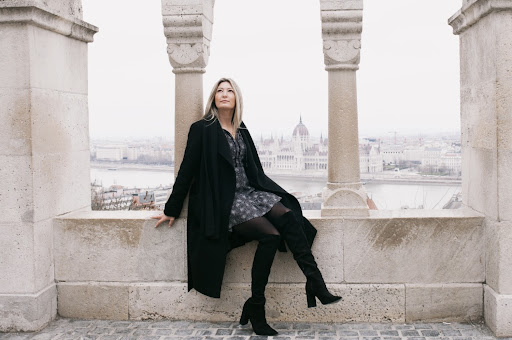
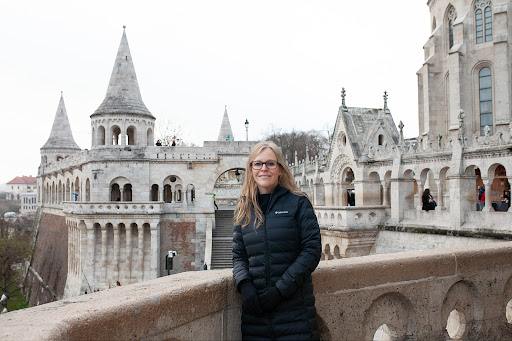
Photography has become a quiet but important part of luxury city touring trends. That is partly because people want to document special trips well, but it goes beyond posting online. Many travellers simply want beautiful, natural images of themselves in a city they are excited to experience.
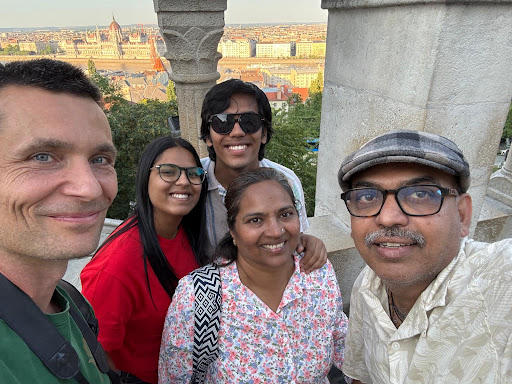
This creates a different kind of value. Instead of returning home with dozens of awkward selfies or one partner missing from every frame, guests can enjoy the city while someone who knows the setting helps them capture it properly. The best version of this feels relaxed and organic rather than staged.
There is a practical side too. A guide who understands viewpoint, timing and light can make photo stops smoother and more rewarding. You spend less time hunting for angles and more time enjoying where you are.
Time efficiency matters more than ever
For many city-break travellers, time is the real luxury. Even visitors staying in excellent hotels and dining brilliantly can lose hours to poor planning, unnecessary detours and overcrowded schedules.
That is why well-designed touring has become such a strong premium offering. The value is not only in what you see, but in how intelligently the day is put together. A thoughtful route reduces backtracking, balances major landmarks with quieter moments, and leaves enough breathing space for the experience to feel enjoyable rather than rushed.
There is a trade-off here. Some travellers want to see as much as possible in a short window, while others prefer fewer stops with more depth. Neither is automatically better. The point is that luxury touring should fit the traveller, not force everyone into the same rhythm.
Small-group and private formats keep winning
Large tours still have their place, especially for budget-conscious visitors, but they rarely deliver what most people now associate with luxury. The stronger trend is towards intimacy.
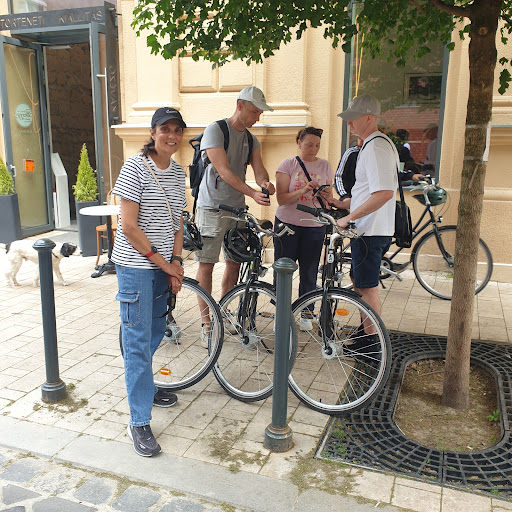
Private touring gives the most flexibility, which is why it appeals to couples, families and travellers with specific interests. Small groups can also work beautifully when the atmosphere is friendly and the guide has space to give individual attention. In both cases, the experience feels less performative and more conversational.
That difference changes how people remember a city. They often recall not only what they learned, but how comfortable they felt asking questions, taking a break, changing pace or following curiosity when it appeared.
What this means for visitors choosing a tour
If you are booking with luxury in mind, the best question is not simply what is included. Ask how the experience feels. Is it flexible? Is the guide local and genuinely knowledgeable? Is there room for your interests, your pace and the practical realities of your trip?
It is also worth looking beyond headline attractions. A premium city experience should still cover the essentials if you want them, but it should add texture as well. That might mean a hidden street with a remarkable story, a carefully chosen tasting, or a route that catches the city at its most atmospheric hour.
Budapest Tour Guy is built around that more personal approach, where the city is introduced by someone who knows it closely and can shape the day around the guest rather than the other way round. For travellers who want more than a checklist, that kind of local attention is often what makes the visit memorable.
The most interesting thing about luxury city touring trends is that they have become less flashy and more human. People still appreciate comfort and special access, but what they remember most is usually simpler than that: being understood, being looked after, and being shown a city in a way that feels genuinely theirs.